Category Archives: Planning

Exclusionary Zoning in One Neighborhood Will Gentrify Another

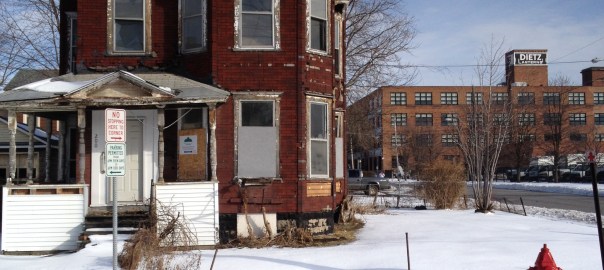
With all the new apartment buildings going up on Syracuse’s Eastside, it seemed like a fluke that one planned for Westcott Street never got past the drawing board. It wasn’t. That apartment building didn’t get built because of exclusionary zoning policies that prohibit new housing in some places and concentrate it in others. As Syracuse grows, that imbalance will push people looking for housing into certain neighborhoods, driving up rents, gentrifying them, and displacing current residents. ReZone—City Hall’s comprehensive rewrite of the City’s zoning ordinance—is a once-in-a-generation chance to prevent this by creating housing opportunity in more city neighborhoods. That’s a chance City Hall needs to take.

City Hall enacts exclusionary zoning policies when vocal neighborhood groups like UNPA pressure it to do so. Those exclusionary policies—minimum lot sizes, required setbacks, limits on multi-family housing, parking requirements—make it difficult or impossible to build new housing in a neighborhood. The Westcott Street project—one that would have added 32 middle-income apartments to this well-off neighborhood—ran afoul of all of these.

4bpyf5fpavggfmawgcokksva5q

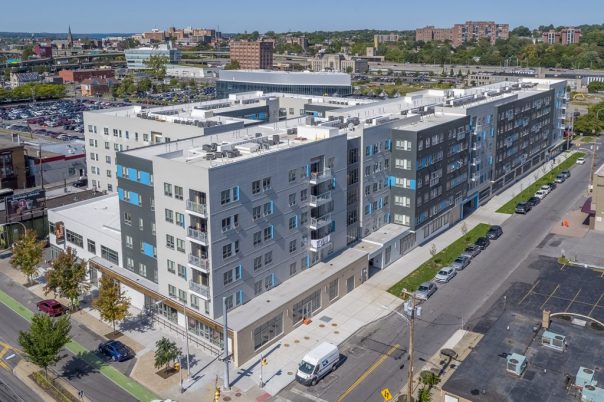
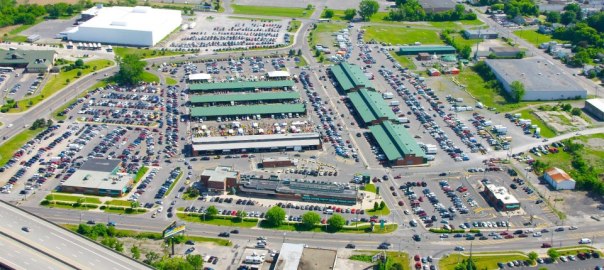
Meanwhile, about a mile away on Genesee Street, three enormous new buildings are adding hundreds of new apartments to the foot of University Hill. Each of those buildings is much larger than what had been planned for Westcott Street, but they’re going up without much of a fight. That’s because Genesee Street is already zoned to allow apartment buildings by right—something that wouldn’t be true if a powerful neighborhood association like UNPA was guarding that land. In fact, there is no neighborhood association worrying about what all that new housing will do to Genesee Street’s ‘character’ because there are hardly any people living near that part of Genesee at all.

dji_0412-1400x933-1024x682

For now, this works. People in Westcott get to keep their neighborhood to themselves, people looking for a place to live can move to Genesee Street, and everybody who relies on municipal services benefits from the new tax revenue. The same thing is happening across the City where the zoning is lax and there aren’t enough existing residents to block new residential construction—Franklin Square, East Brighton, University Hill, the Inner Harbor, and even Downtown. All that empty space has been a safety valve, allowing developers to build and market new housing without putting pressure on existing neighborhoods.

But Syracuse is running out of empty space. Three recent projects turned old factories into new apartments in established residential neighborhoods on the Westside. This month, City Hall and the Allyn Foundation announced that they want to build hundreds of new homes on land currently occupied by public housing on the Southside.

dietz-w-snow

New housing is not a bad thing. Too many older homes in Syracuse are poorly insulated, have roofs that leak, are painted with lead. New housing of good quality is an opportunity for current residents to live somewhere better. Similarly, too many older neighborhoods in Syracuse don’t have enough people. New neighbors pay taxes, shop at local businesses, bring up property values, and increase the neighborhood’s political power.

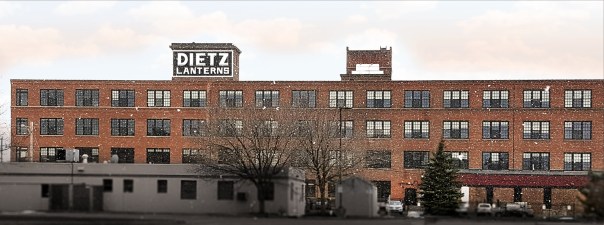
The problem is that limited supply and geographic concentration mean that a lot of this new housing isn’t affordable for the people who already live in the neighborhoods where it’s being built. Developers can’t build much new housing at all, so they’re pricing and marketing what little is allowed to attract the small pool of tenants who can pay $1,385 for a 1-br in the Dietz Lofts, say. That’s more than twice the median gross rent of the Westside neighborhood where the Dietz building sits—a neighborhood where half of tenants spend more than 30% of their monthly income on rent.

Converting empty factory buildings into expensive apartments won’t displace anybody, but the same zoning laws that made the Dietz Lofts possible also allow property owners to convert existing 1-family homes into multi-family apartments. The same economic pressure that set the Dietz’ rent at $1,385 will do the same to any newly renovated duplex. That will displace people.

People have to live somewhere, and developers are building new homes for them where it’s easiest—where the zoning already allows it. Because some neighborhood groups have been so successful at redrawing the City’s zoning map to exclude new residential construction, it’s concentrated in a select few neighborhoods. Because developers will always go after the highest rents first, they’re building homes that are often unaffordable for the people who already live in those neighborhoods. This is how exclusionary zoning in some neighborhoods causes gentrification in other neighborhoods.

Syracuse’s zoning map controls the supply and geographic concentration of housing in the City. City Hall needs to amend that map to allow more housing in more neighborhoods. City Hall needs to make those changes now—before Syracuse runs out of empty land for new residential development—in order to get ahead of the economic trends that have led to rising rents, displacement, and housing crises in other cities.

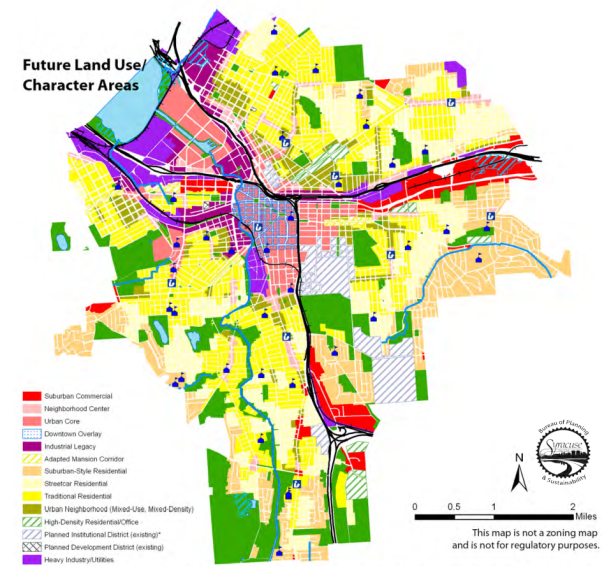
ReZone provides the opportunity to do just that. City Hall’s Land Use & Development Plan—the document that’s supposed to guide the ReZone project—contained a map that showed how to disperse new residential development and population growth across many city neighborhoods. It recommended zoning to allow 1 and 2-family homes (shaded bright yellow) in almost all of Westcott, the Northside, the Southside, the Westside, and in half of Eastwood. It recommended zoning to allow bigger apartment buildings (shaded olive green, magenta, and pink) along neighborhood main streets and in parts of all those same neighborhoods. If Syracuse was zoned this way now, that Westcott Street apartment building could have been built.

LUDP map

ReZone is now on its third draft zoning map. The first draft (February 2017) followed the LUDP’s recommendations to allow new residential construction in most city neighborhoods with three unfortunate exceptions. First, the February 2017 draft zoning map all but banned multi-family housing from Eastwood outside of James Street itself. Second, it significantly reduced the amount of multi-family housing that could be built in Westcott. Third, it significantly increased the amount of multi-family housing allowed on the South and West sides, particularly in an area where Onondaga Creek regularly floods.

Since that February 2017 draft, it’s only gotten worse. From the Northside, to Tipperary Hill, to Lincoln Square, each successive draft has limited the amount of housing that can go into certain Syracuse neighborhoods, effectively funneling future population growth into a select few others with predictable negative consequences. (Lots shaded yellow are zoned to exclude new apartment buildings).

Syracuse needs people. It needs for kids to grow up and make their lives here, and it needs for people to move in from out of town. It needs these people to pay taxes, ride buses, shop at local businesses, attend PTA meetings, vote, and invest in the community.

And those people need a place to live. As it stands, they’re going to have a hard time moving into some neighborhoods where exclusionary zoning policies have artificially limited their access to housing opportunity, and they’ll have an easier time moving into other neighborhoods where their presence will, at least in the short term, be a hardship on their new neighbors.

It shouldn’t be this way. That 32-unit apartment building should go up on that Westcott Street parking lot, and a few dozen people should be able to choose to live there, lowering demand for new housing in other neighborhoods and spreading out the effects of new residential development and population growth across the entire City. That’s the only way to equitably harness the population growth that Syracuse needs and ensure that it benefits everybody who lives in the City.

Writing ReZone for Better Bus Service

Buses work best where there are lots of people, businesses, and institutions all within walking distance of each other. Zoning laws that allow a mix of people, businesses, and institutions work best in places with good bus service. Transportation planning and land use planning go hand in hand.

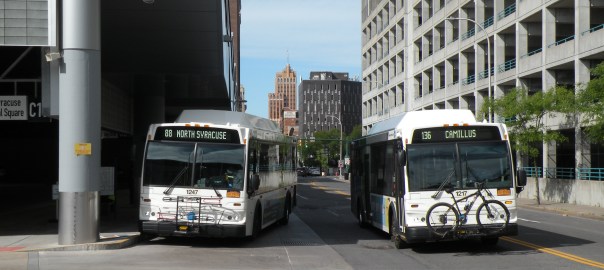
In Syracuse, the left hand doesn’t seem to know what the right hand is doing. Take ReZone, City Hall’s once-in-a-generation rewrite of the City’s zoning ordinance. It grants a 30% reduction in off-street parking requirements for lots within .25 miles of a public ‘transportation terminal,’ but it doesn’t define what a transportation terminal is. The 2012 Land Use & Development Plan—upon which ReZone is based—suggests that ReZone is talking about stations on a Bus Rapid Transit network:

Screen Shot 2019-02-01 at 6.35.31 PM

The 2014 Syracuse Transit System Analysis identified six “major transportation corridors” for improved bus service, but it did not identify any “fixed stations” along them. The Syracuse Metropolitan Transportation Council’s SMART1 report does identify station locations, but only for two BRT lines.


It’s anyone’s guess, though, when and if Centro will actually run that BRT service. The fixed stations identified in the SMART1 report don’t actually exist yet, and if the Common Council turned ReZone into law tomorrow, there would be no clear ‘transportation terminals’ in the City to trigger the ordinance’s 30% parking requirement reduction.


In the meantime, City Hall’s very reluctance to zone for transit is affecting Centro’s ability to offer the service. Centro is going to need money from the Federal Transportation Administration in order to build out this BRT network, and the FTA takes a city’s land use policies into account when it decides whether or not to fund a project there. According to the STSA, Syracuse’s current zoning policies hurt its chances of getting funding from the FTA.

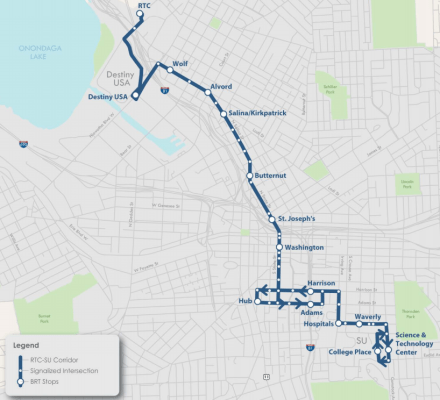
Even worse, City Hall keeps revising ReZone in ways that will make Centro’s life harder. One glaring example is the area around the Regional Transportation Center. The RTC is supposed to be the last stop on one of SMART1’s BRT lines. The first ReZone draft would have allowed housing and businesses on all of the parking lots around there, but the current draft actually bans new housing in the area—how’s that for TOD?

Less obviously, each new draft of ReZone has reduced housing opportunity along the corridors that the STSA picked out for BRT service. Around N Salina, Solar, W Fayette, and W Genesee Streets, City Hall has amended its zoning map to either ban or minimize residential development in the very areas where SMTC and Centro are planning to provide better bus service.


The idea of a TOD-overlay makes sense, but it’s impossible to implement while planning for that BRT service is independent from the ReZone project—the overlay won’t come into effect until the BRT service starts running, and the BRT service is difficult to plan until the overlay comes into effect. It’s a catch-22.

City Hall, Centro, and SMTC can fix this with a little cooperation. All three organizations need to get together and narrow the STSA’s transportation corridors to specific streets. City Hall has already said that it wants the eastern half of the Camillus-Fayetteville corridor to run along Erie Boulevard. It shouldn’t be so hard to make similar decisions for the rest of the corridors—will that line’s western half run on Fayette or W Genesee? Will the Northside-Western Lights line run on Gifford or Onondaga? Where will the buses stop?

Once they’ve agreed on specific streets where BRT service would run, the ReZone project team will have enough information to write transit-supportive zoning policies into the new ordinance without relying on an unnecessarily complicated mechanism like the ‘proximity to transit’ parking reduction. That means making all lots within .25 miles of the planned BRT stations MX-4 or R-4—zoning classifications that allow enough housing to mix with businesses and institutions so that people can meet their daily needs on foot.

The project team should also eliminate all minimum parking requirements from ReZone.

These changes won’t cost a penny, they will make land more valuable, and they will lay the groundwork for better bus service in the future.

The Green New Deal, Housing, and Transportation in Onondaga County

Congress is full of new members talking about a Green New Deal—a “broad and ambitious package of new policies and investments in communities, infrastructure, and technology to help the United States achieve environmental sustainability and economic stability.” The ideas for those new policies include regulations on carbon emissions, subsidies for alternative energy, and wetland reclamation. Less has been said about the relationship between housing and transportation, but Onondaga County’s experience shows that the Green New Deal needs to focus on that link in order to grow environmentally sustainable communities.

For 70 years, almost all new settlement in Onondaga County has contributed to global climate change. New housing has been built on former farms, it has been built too far away from jobs and schools for people to meet their daily needs on foot, and it has been built with big yards and cul-de-sacs that make public transportation ineffective and inefficient.

At the same time, people have been leaving Onondaga County’s older settlements—its City and its villages—where it was possible to live without a car. Syracuse, Liverpool, Solvay, and East Syracuse have all lost about ⅓ of their population since the 1950s and 1960s. That depopulation has drawn jobs and schools out of those older communities, it has made it more difficult for the people who remain to meet their daily needs on foot, and it has made established bus and train routes less effective and less efficient.

The result has been that many families living in Onondaga County can’t live their daily lives without the help of cars, and they drive those cars to run every single errand, attend every single church service, and visit every single friend. This is a terrible result for the environment.

It’s also reversible. In fact, the City’s Land Use and Development Plan anticipates that Syracuse’s neighborhoods will see exactly the kind of population growth that would allow Onondaga County residents to drive less often and burn less carbon:

“Several of Syracuse’s neighborhoods have borne the brunt of population loss and economic decline as regional population has shifted dramatically toward the suburbs since the 1960s. Despite this, Syracuse is uniquely positioned within the Central New York region in light of increased national and statewide focus on Smart Growth and widely renewed interest in urban living. The City of Syracuse possesses a concentration of interesting historic architecture, which dates from periods of dense urban settlement and is arranged in walkable neighborhoods. Many neighborhoods which currently possess high vacancy rates are poised to accept population growth, particularly among young professionals and families who desire a traditional urban environment and who may take advantage of Syracuse’s affordable historic housing stock and walkable, urban neighborhoods. Commercial corridors with low levels of activity and density today are dispersed through Syracuse’s neighborhoods in a connective, multi-nodal network which, when better utilized, are suited to provide centers of activity within walking distance of homes and support efficient mass transit.”

The document refers to the City specifically, but what it says is true of Onondaga County’s villages too. They all have relatively affordable houses. They all have neighborhoods where people can meet their daily needs on foot. They all have better bus service than their surrounding suburbs. They are all places where people can live more environmentally sustainable lives free from cars.

Affordability and sustainability sometimes work against each other, though. If a house is too cheap, then it’s difficult to get ahold of the money necessary to make major repairs. Banks won’t lend out the money to replace the roof on a house that isn’t even worth enough to be collateral for the loan. That situation—which exists in so many of the neighborhoods where the houses need new roofs but the residents don’t need cars—makes it financially impossible for many people to move into the communities where they can live environmentally sustainably.

The Green New Deal can remove this financial barrier by awarding grants for the renovation and/or construction of housing in neighborhoods where people can live without a car.

There are challenges to writing that kind of a policy well. To be effective, it will have to actually determine which communities offer the chance to live without a car—a determination that Syracuse’s City Hall has struggled to make as it rewrites the City’s zoning ordinance. To be efficient, the policy should limit its grants to those projects that wouldn’t happen without government subsidy—a limitation that both SIDA and OCIDA routinely ignore.

The effort of overcoming those challenges is worth the reward of creating a climate policy that makes it possible for people to live in communities where daily life burns less carbon—communities where people can walk to meet their daily needs, where Centro can provide quality bus service—communities like Syracuse, Liverpool, Solvay, and East Syracuse. That’s a policy that recognizes the link between housing and sustainable transportation, that addresses the difficulties of creating more of both, and it is exactly the kind of thing that needs to be a part of the Green New Deal.

Flexibility is Adaptability is Resiliency

I used to rent a one-bedroom apartment on the back end of a building on the City’s Northside. The building had been a standard Syracuse double-decker—two identical three-bedroom apartments stacked one on top of the other—but at some point the owner split the second floor into two one-bedroom apartments. That was good for me because it meant there was a one-bedroom apartment that I could afford, and it was good for the landlord because the combined rent from those two second floor one-bedroom apartments was $980 a month—significantly more than the $750 a month that the three-bedroom apartment on the first floor brought in.

Small modifications like this one—putting up a wall and building a new kitchen and bathroom to convert a two-family building into a three-family building—make Syracuse resilient. The City is full of old buildings that have been modified over the years to better meet the needs of a changing population, and you’re most likely to find them in the neighborhoods that are most diverse and that provide people with the greatest variety of opportunity.

It’s a problem, then, that City Hall’s new zoning ordinance would make that kind of responsive modification largely illegal in so many of the neighborhoods where it’s most useful.

ReZone divides all residential buildings into 1 of 3 categories: one-family, two-family, or multi-family. That double-decker apartment I lived in would have originally been considered a two-family home, but now with its three apartments, City Hall will call it a multi-family home. ReZone allows two-family homes in all of Syracuse’s inner neighborhoods, but it bans multi-family housing from almost all of Tipperary Hill, the Southside, Westcott, Skunk City, and the Northside. That ban restricts people’s ability to modify their properties in the small ways that will make those neighborhoods able to cope with change.

City Hall needs to amend its draft zoning ordinance to accommodate a greater variety of housing types. The could mean adding more categories to its list of residential uses (three-family, four-family, five-family, etc.), it could mean expanding the two-family category to include other small-scale apartment buildings with more than two units (up to six, say), or it could mean getting rid of the two-family category entirely to allow all kinds of multi-family housing in every neighborhoods except those quasi-suburban spots like Meadowbrook and the Valley.

Syracuse’s strength is its flexibility. The City’s been around for about 200 years now, and the people who call it home have adapted to huge economic, demographic, and technological changes in that time. Left to their own devices, city residents will keep on doing the little things—like converting a two-family home into a 3-family home—that will keep the City responsive to the needs of the day, but those kinds of modifications will only be possible if City Hall relaxes its planned restrictions on multi-family housing. Do that, and Syracuse might just make it another 200 years.

Two Views of Syracuse’s Future

2019 will see two policy announcements that will shape Syracuse for decades to come. New York State plans to let us all know what it’ll do to replace I81’s downtown viaduct, and Syracuse City Hall plans to adopt its first new zoning ordinance since 1922. With each of these the community has the choice to make a big change or to keep things the same as they are now, and its decisions will reveal whether or not Syracuse believes in its own future.


Take I81. NYSDOT is going to demolish the downtown viaduct and uncover a lot of land in the city center, and a lot of people see the potential for something transformational to fill in that space. Here’s just one possibility, described by the Gifford Foundation:

“[The Community Grid plan is] the best opportunity for reclaiming the geography presently occupied by I-81 as a transformational neighborhood with mixed-income housing, extraordinary schools, and facilities, programs, and services that honor the rich history of the community, reflect priorities of those who live there”

That’s a vision of a better future–for a Syracuse that’s an inclusive empowering city–and that vision drives the Gifford Foundations decision to endorse NYSDOT’s plan to move the highway out of Downtown.

Contrast that with State Senator Bob Antonacci’s argument that Syracuse has nothing to gain by removing all those off and on ramps from the middle of town:

“The theory goes that tearing down I-81 through downtown Syracuse will unlock a dormant potential and uniting downtown with the University Hill neighborhood. I personally am skeptical of this. A previous attempt, the Connective Corridor, at uniting those two areas was described as having brought crime into the university and surrounding neighborhoods.”

He doesn’t think any significant positive change can come from getting the highway out of Downtown and that unless we all realize this, then “the 81 debate will end in a zero-sum game where a significant portion of the community will feel they lost.” The best result that Antonacci can imagine is to maintain the status quo.


It’s the same with the new zoning ordinance. At the beginning of the ReZone project, City Hall published the Land Use and Development Plan. That document sees Syracuse as the region’s future:

“Syracuse is uniquely positioned within the Central New York region in light of increased national and statewide focus on Smart Growth and widely renewed interest in urban living…. Many neighborhoods which currently possess high vacancy rates are poised to accept population growth, particularly among young professionals and families who desire a traditional urban environment and who may take advantage of Syracuse’s affordable historic housing stock and walkable, urban neighborhoods… over the long-term the City may market its ability to cost-effectively absorb regional population growth—based on existing infrastructure and an urban land-use pattern that lends itself to walkable neighborhoods, local commercial and business services, and efficient transit service.”

This Syracuse is a place where people want to live, a place that can welcome those people, and a place that will be better off for having done so. That vision informs the Land Use and Development Plan’s prescriptions for more housing, more housing options, better bus service, more opportunities for small businesses, and neighborhoods where people can meet all of their needs easily.

Contrast that with how Owen Kearney, a city planner, described the project to Grant Reeher on WAER:

“We’re really a city of residential neighborhoods with neighborhood business districts and Downtown. And kind of thinking of those three elements: that Downtown core, our neighborhood business districts, and essentially the neighborhoods surround them, and continuing to protect all three of them and enhance all three of them through our land-use regulations, which is what zoning are, but to allow new uses in those neighborhood business districts, at the same time protecting those residential areas”

His focus is on protection and stasis. This explains all of the changes that City Hall has made to the draft zoning ordinance since the first draft–rolling back housing opportunity, restoring old parking regulations that penalize bus-riders, keeping it difficult for new people to move into stable neighborhoods. Those changes all ‘protect’ the status quo by limiting the City’s ability to welcome new people.


Where the Gifford Foundation sees the potential for connected neighborhoods that empower their residents, Antonacci can only see traffic and crime. Where City Hall once saw the possibility of new housing mixed with new businesses so that lots of people could walk to the grocery store, the current administration can now only see problem corner stores and absentee landlords.

With I81 and with ReZone, that reflexive urge to keep things the way they are–to ‘protect’ them–comes from a fear of the future. When you can only imagine change for the worse, it makes sense to hold onto the present. In that case, Syracuse’s best hope is to slow its inevitable and irreversible decline.

The City deserves better than that. A better future is possible, Syracuse can be a better place to live, big changes can leave us better off. It’s only possible, though, if the people with the power to effect those changes can imagine that better future. Let them know. Call City Hall, call your state reps, call the Governor, and tell them that you know Syracuse can make a better future, and you want their help to make it happen.

ReZone’s Rules for Rowhouses

Rowhouses combine many of the benefits of both single-family and multi-family housing. They all have first floors at ground level, so everybody gets a front stoop and a backyard, and the houses don’t take up much space, so many families can live within walking distance of schools, shops, and bus stops.

But not all rowhouses are created equal. These, on the corner of Lodi and Gertrude, are all on their own individual lots. Even though they’re connected, each house is a separate building, meaning that each one is an opportunity for someone to become a homeowner. That’s the opportunity to build equity, accrue wealth, achieve stability.

Screen Shot 2018-12-17 at 6.58.51 AM

There are more rowhouses the next block down on Lodi. These are really just one big apartment building on a single lot. It’s owned by just one person, so fewer people have the opportunity to secure the many benefits of homeownership.

Screen Shot 2018-12-17 at 7.00.39 AM

That’s a big difference, but it’s one that City Hall’s new draft zoning ordinance doesn’t recognize. Here’s all that the draft has to say about rowhouses:

“[Dwelling, Multi-Family] includes both stacked and side-by-side units. The current Syracuse ordinance includes some references to “townhouses” in some districts as distinct from “apartments.” In some communities, we include a use type called “single-family attached”; however, staff prefers not to introduce that term in Syracuse and to use instead a broad definition of “dwelling, multi-family.”
pg 233

So are rowhouses single-family or multi-family? Can somebody buy a single rowhouse, or do they have to buy a whole set at once? Is this different from building multiple single-family houses with party walls on narrow lots as is allowable in zoning district MX-5, but nowhere else? Do the ordinance’s minimum lot dimensions for multi-family housing apply to a single house in the row, or the row in its entirety? Are rowhouses allowed in zoning district R-2 where the ordinance bans ‘multi-family housing’ but allows ‘2-family housing’? There aren’t obvious answers to any of those questions in the ordinance as it’s currently written.

Rowhouses can have an important place in Syracuse’s future. They create more opportunities for people to own a home that’s within easy walking distance of daily needs. Building more of them would bring more of those opportunities into the City’s existing neighborhoods, and they’re a good option for building entirely new neighborhoods at the Inner Harbor and the Almond Street area.

Before that can happen, though, City Hall needs to amend its new zoning ordinance to clarify its rules for rowhouses. It should make it clear that rowhouses are a type of single-family housing, that they’re allowed in all zoning districts, and that they can be bought and sold individually. Simple changes that will make for a better Syracuse.

Alleys for Neighborhoods

Bank Alley is different from a lot of the other streets Downtown. It’s not like Salina or Fayette–wide streets that are good for getting across town–and it’s not like Clinton or Adams–one-way racetracks for cars getting to or from the elevated highways. It’s short and narrow and a lot calmer than the rest of the neighborhood.

That difference makes it possible for different people to make different uses of all the buildings with entrances on both Salina and Bank Alley. Retailers on the first floor of those buildings face Salina because that’s where so many potential customers are walking by, but renters living on the top floors enter those buildings from Bank Alley because it’s more private.

A good mix of different kinds of streets and buildings makes for a neighborhood where different kinds of people can make a life. That’s a neighborhood where grocery stores can sit near houses, churches near shops, and community centers near schools. That’s a neighborhood where the variety of people and activities mean that any single person can meet their daily needs easily.

That’s the kind of neighborhood that the Gifford Foundation was talking about when it wrote that the I81 project will be:

“the best opportunity for reclaiming the geography presently occupied by I-81 as a transformational neighborhood with mixed-income housing, extraordinary schools, and facilities, programs, and services that honor the rich history of the community, reflect priorities of those who live there”

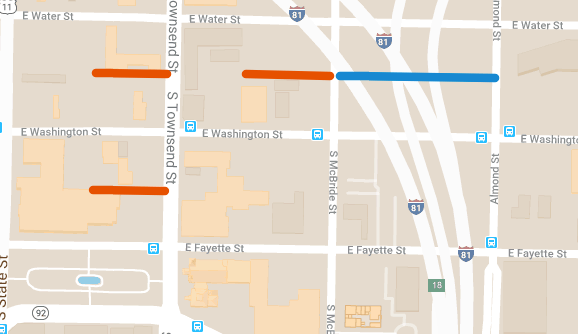
So it’s a good thing that the area around the viaduct already has so many alleys. Landmark, Block, and Grape Alleys (shown in orange) cut through the blocks just west of the viaduct.

Screen Shot 2018-11-26 at 6.16.35 AM

Right now those alleys aren’t doing much for anyone because they’re surrounded by empty lots, but that will change once the viaduct comes down. Earlier in November, the AIA predicted that this part of town will see a lot of new construction in the next few years. When that happens, the buildings that go up and the people who use them will benefit from the alleys that are already there.

The I81 project also provides the opportunity to reopen an alley that hasn’t existed since the viaduct went up. People have talked about reconnecting major streets that the viaduct divided, and this smaller street (shown in blue) should be part of that conversation too.

Screen Shot 2018-11-26 at 6.16.10 AM

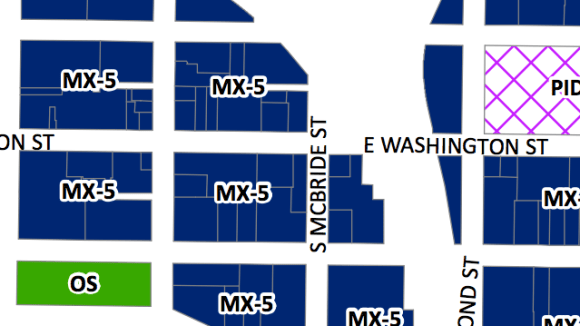
City Hall is already laying the groundwork for the right kind of neighborhood with its new zoning ordinance. It’s zoning these blocks MX-5 which means no minimum parking requirements and very few restrictions on how people can use the land. That will make these alleys more useful to the neighborhood.

Screen Shot 2018-11-26 at 7.41.40 AM

It’s going to take a lot of work to make these blocks into neighborhood. Alleys can help. They add variety to the kinds of streets in a place, and they make buildings useful in different ways for different people. They can make this part of Syracuse a good place to live, and that’s a good thing for the City.

Making Land Useful

In 1919, Syracuse’s Planning Commission published a report on the work that it had already done and its plans for the City’s future. That report contained some big ideas for massive public works projects, but most of its pages dealt with the minutiae of subdividing undeveloped plots of land on the City’s outskirts to accommodate future growth. In particular, the Planning Commission focused on the ways that the street grid’s design could maximize the usefulness of land in the City.

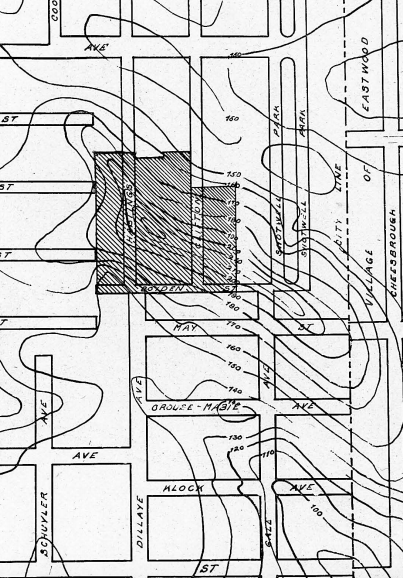
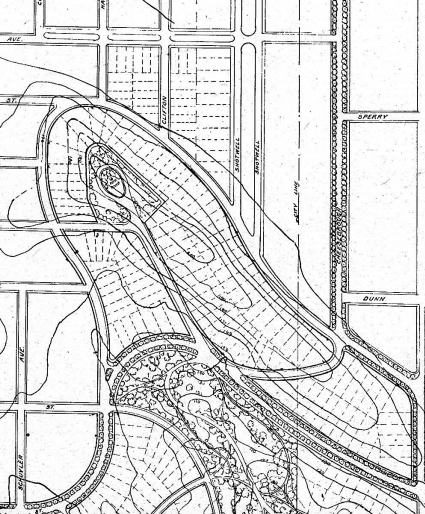
Take the area south of James St between Teall Ave and Shotwell Park. The people who developed that land wanted to turn the whole thing into a residential neighborhood, but they had a hard time building streets up Melrose Hill in what is now Sunnycrest Park.

“Hastings, Clifton, etc., were developed and built on up to the base of the hill from the north. The slope being so steep that the streets could not be constructed further as plotted and maintained without unwarranted cost and expense, caused further development to come to a standstill. The lots on top of the hill, shown in the shaded portion, became city property due to default of tax payments.”

Screen Shot 2018-11-06 at 2.50.34 PM

The Planning Commission’s solution was to replot the area along curving streets that would make it easier to build on the hill.

Screen Shot 2018-11-06 at 2.50.07 PM

The developers took those suggestions and tried something similar, laying out a couple of streets that followed the hill’s topography, shown in this map from 1924.

screen-shot-2018-11-06-at-2-51-24-pm.png

But they did not make any changes where the hill was steepest (shaded blue on this map), and so this new plan never made it past the drawing board. In 1925 City Hall bought up all of the undeveloped land and turned in into a golf course.

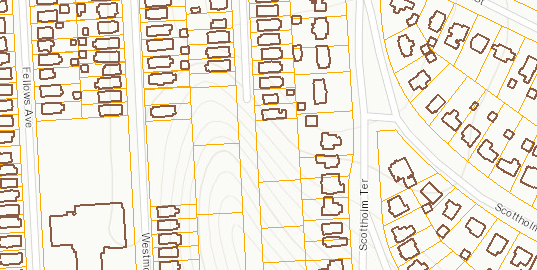
The Planning Commission addressed a similar problem at the border between Westcott and Scottholm. There, two very steep hills made it difficult to build on Cumberland and Westmoreland Aves between Genesee St and Euclid Ave.

“At the present time this section stands by itself undeveloped and yet surrounded on all sides by pretentious homes of prosperous citizens. Westmoreland and Cumberland avenues are only partly accessible from East Genesee street, Allen street, or Euclid avenue, on account of prohibitory grades ranging from 18 per cent to 30 per cent.”

Screen Shot 2018-11-06 at 11.58.49 AM

Again, the Planning Commission suggested moving streets to better match the area’s topography. They would have extended Houston Ave along the valley between the two hills to intersect Westmoreland Ave at Harvard Pl, made Cumberland Ave curve and intersect with Westmoreland Ave according to the hills’ topography, and used stairs to provide pedestrian paths between streets where the hills were too steep for cars to travel.

Screen Shot 2018-11-06 at 11.58.19 AM

By 1938, they’d begun work on the Houston Ave extension, but not on any of the other changes that the Planning Commission recommended:

Screen Shot 2018-11-06 at 12.00.45 PM

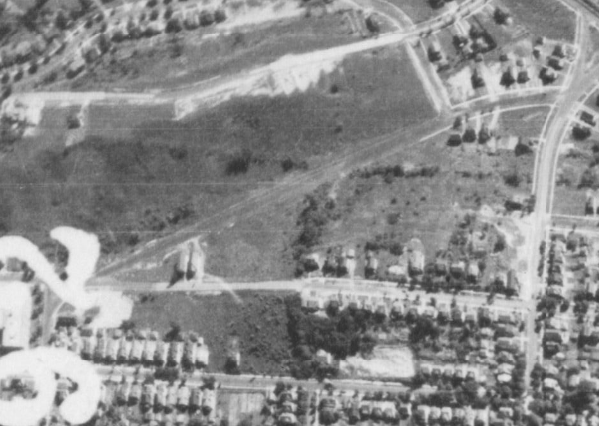
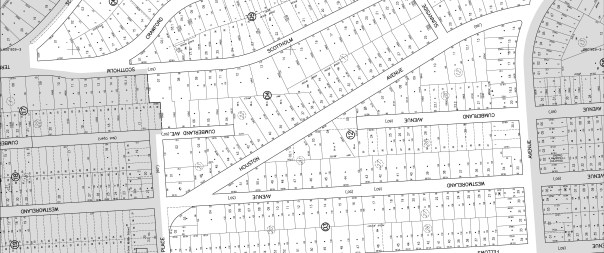
That’s where things still stand today. City Hall’s zoning maps show portions of Cumberland Ave that have never been built, and people actually own the residential lots that line it, but there’s no evidence of any of that on the ground. If you bushwacked your way to 209 Cumberland Ave–a 5,362 square foot residential lot assessed at $2,500–you’d be in the middle of a bunch of trees.

westcott-1

In both of these cases, poor street layout meant that potentially valuable land went undeveloped. That cost City Hall property tax revenue, and it limited the number of people who could live in those neighborhoods. The Planning Commission’s recommendations for these neighborhoods were attempts to maximize the usefulness of city land by making it more accessible to more people.

These are still important concerns. Large vacant parcels on the Lakefront, the outskirts of Downtown, and between Hiawatha Blvd and the CSX train tracks are prime candidates for new development. The danger is that City Hall will give those huge lots to single developers who will just build one or two buildings, a huge parking lot, and pretty landscaping (see: Cor’s biotech accelerator and SU’s Center of Excellence). That’d be a waste of land, just like when developers 100 years ago wasted all that land along Cumberland Ave and Hastings Pl. City Hall should instead follow the 1919 Planning Commission’s lead and ensure that the land is used efficiently. That could mean working with private developers to plan those parcels, or it could mean laying new streets and dividing the land into small lots before selling it off. If City Hall takes this more active role, it will put more money in the municipal budget, build better neighborhoods, and make the best use of Syracuse’s land.

TOD at the RTC

Centro is looking at running a Bus Rapid Transit line between Syracuse University and the Regional Transportation Center. To the south, that line’s last stop will be in the middle of a neighborhood with lots of jobs, lots of people, and little parking. That all makes University Hill a place that where good bus service will work. To the north, the line will end in the middle of a bunch of parking lots and vacant land. That’s the kind of place where bus service will fail.

Screen Shot 2018-10-01 at 9.23.12 PM

City Hall knows this, and it intended to fix the problem. The Land Use & Development Plan, written in 2012, says:

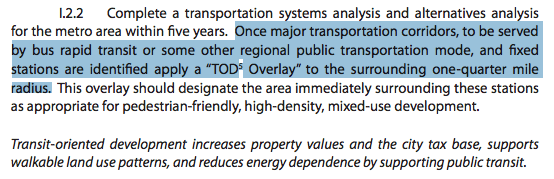
“Once major transportation corridors, to be served by bus rapid transit or some other regional public transportation mode, and fixed stations are identified… [City Hall should] designate the area immediately surrounding these stations as appropriate for pedestrian-friendly, high-density, mixed-use development”
LUP pg 31

The Plan doubles down on that when it designates the area as an “Industrial Legacy” and then says:

“New development and infill construction should be tightly focused within and around Neighborhood Centers (neighborhood business districts), Urban Core, Industrial Legacy, and Adapted Mansion character areas… Any new residential development in these areas will increase their density, support the economic base of these neighborhood centers, promote walkable development patterns, and support public transit service.”
Pg 38 of LUP

And the Plan gets very specific about what needs to happen in the area when it says:

“the area surrounding the Central New York Regional Market, Alliance Bank Stadium, and the Regional Transportation Center includes large areas of surface parking and vacant or underutilized property. When the Regional Transportation Center is connected to the Empire Corridor High Speed Rail this area will present a will-situated opportunity for high-density, transit-oriented development (TOD)… Zoning amendments should be made now to encourage TOD and prevent inappropriate industrial infill that might discourage this kind of development”
LUP pg 53

The Land Use & Development Plan talks over and over about how the area around the RTC has the potential to be a neighborhood where people don’t need to own a car, but that can only happen if enough people move to the area to support things like good bus service and small business. That’s why the Land Use & Development Plan recommended rezoning the area around the RTC to allow a lot more housing.

When City Hall put out its first draft of the new zoning map in February 2017, it followed the Land Use & Development Plan’s recommendation and made that area MX-3. Land zoned MX-3 can be used for all kinds of things including 1- and 2-family houses, apartment buildings, boarding houses, bars, microbreweries, restaurants, and office space. When City Hall released its second draft map in June 2017, though, it had made that area Light Industrial, and when the most recent map came out in March 2018, that area was just zoned Industrial.


An Industrial property can have a lot of the same commercial uses as a property zoned MX-3–it can have bars and microbreweries and restaurants and office space–but Industrial land cannot have any residences at all–no apartment buildings, no 1- or 2-family houses, nothing. It’s pretty clear, then, that if this area is zoned for Industry, then it cannot be the sort of “mixed-use” or “transit oriented” neighborhood that City Hall’s own Land Use & Development Plan says it needs to be.

It doesn’t have to be that way. City Hall should implement its own recommendations and rezone the area around the RTC to allow for both commercial and residential buildings. That will allow for the kind of neighborhood where Centro’s new BRT service will be most useful, the kind of neighborhood where there are lots of jobs and lots of people, the kind of neighborhood that will make this corner of Syracuse a good place to live.

Snow Removal and Zoning

On September 19, City Hall announced it’s new pilot program for removing snow from 20.1 miles of city sidewalks this coming winter. Mayor Ben Walsh had promised to do something about snow-covered sidewalks in his 2017 campaign, and this plan is a good first step to keeping that promise.

There’s a lot to like about the pilot program. City Hall put it together after getting lots of input from the community, it’s based on hard data on which streets pedestrians use most, it came out quickly, and it’s something DPW can expand in the future.

This pilot program is also an example of the real negative impact of restricting housing opportunity through zoning laws.

City Hall is going to clear snow from the sidewalks along Park Street on the Northside. In the February 2017 draft of City Hall’s new zoning map, the land around the northern end of Park Street was colored blue. That meant that you could have apartment buildings on that land. In the most recent draft of the zoning map (from March 2018), a lot of that land is now yellow. That means that City Hall only intends for a maximum of two families to live on any of those lots, so fewer people will be able to live within walking distance of Park Street.


That means that this new municipal service–something as basic and necessary as clear sidewalks–will be available to fewer people. It’s the same with parks, buses, and schools. When you’ve got a cash-strapped city offering place-based services, restrictive zoning rules reduce the number of people who can benefit from those services. That’s why zoning matters.