All posts by inthesaltcity

Transit to Suburban Jobs

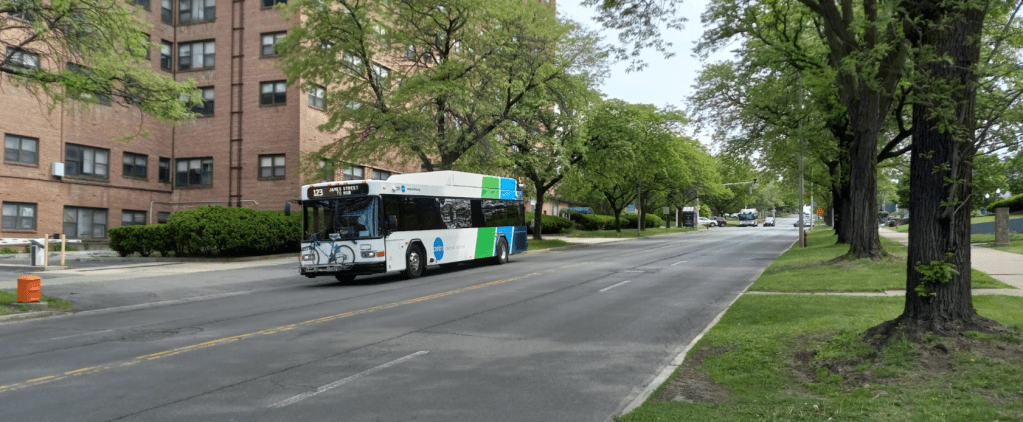
There’s not much doubt that Centro will run a bus line to the new computer chip factory on Route 31 when it opens. What’s not so clear is how good the service will be, or if it will meaningfully improve anybody’s life.

Centro designs its service—particularly suburban service—as a kind of social safety net. It’s designed for people to have to ride because they are too poor to afford a car, and because they have no other option they’ll put up with the bare minimum of service—a handful of buses a day in each direction.

This model is fatally flawed. Nobody has to ride the bus. Everybody—even people who don’t own cars—has other mobility options like catching a ride with a friend or family member, taxi services like Blue Star or Uber, and ad hoc jitney services. Centro can’t rely on ridership from everybody who can’t afford a car, because there are many other low-cost options for getting around. It has to outcompete all of them too.

And bare-bones, safety-net service simply can’t outcompete a taxi or a jitney or a ride from a friend when it comes to commuting. This kind of service offers riders one bus—one single chance—to get to work on time. If you miss it because your kid needs extra help one morning, because the bus never came, or because sometimes everybody just runs a few minutes late, you’re at least out of a day’s pay and at most out of a job. That’s simply too big a risk for anybody to take every single day, and so even people who can’t afford a car will spend a lot of money on cab fare to avoid it. The stakes are just too high.

For Centro to run a successful service that people will actually use, they have to eliminate, or at least mitigate, that risk by running more buses. Frequent service—a bus every 10 to 15 minutes—gives people multiple options to make it to work so every single morning isn’t weighed down by the possibility of economic ruin. You try to catch the bus that gets you to the job with 15 minutes to spare, but if you miss that one then the next bus still gets you to work 5 minutes before you clock in. You can keep your job even if your morning doesn’t go exactly to plan.

Frequent, practical, competitive transit service costs money. Centro has to pay their operators, they have to pay for gas, they have to maintain a bigger fleet of buses. Uplift Syracuse estimated that upgrading Centro’s 8 best-performing lines to truly frequent service would cost about $8 million per year, and that was before Covid made it so much harder to hire new bus operators.

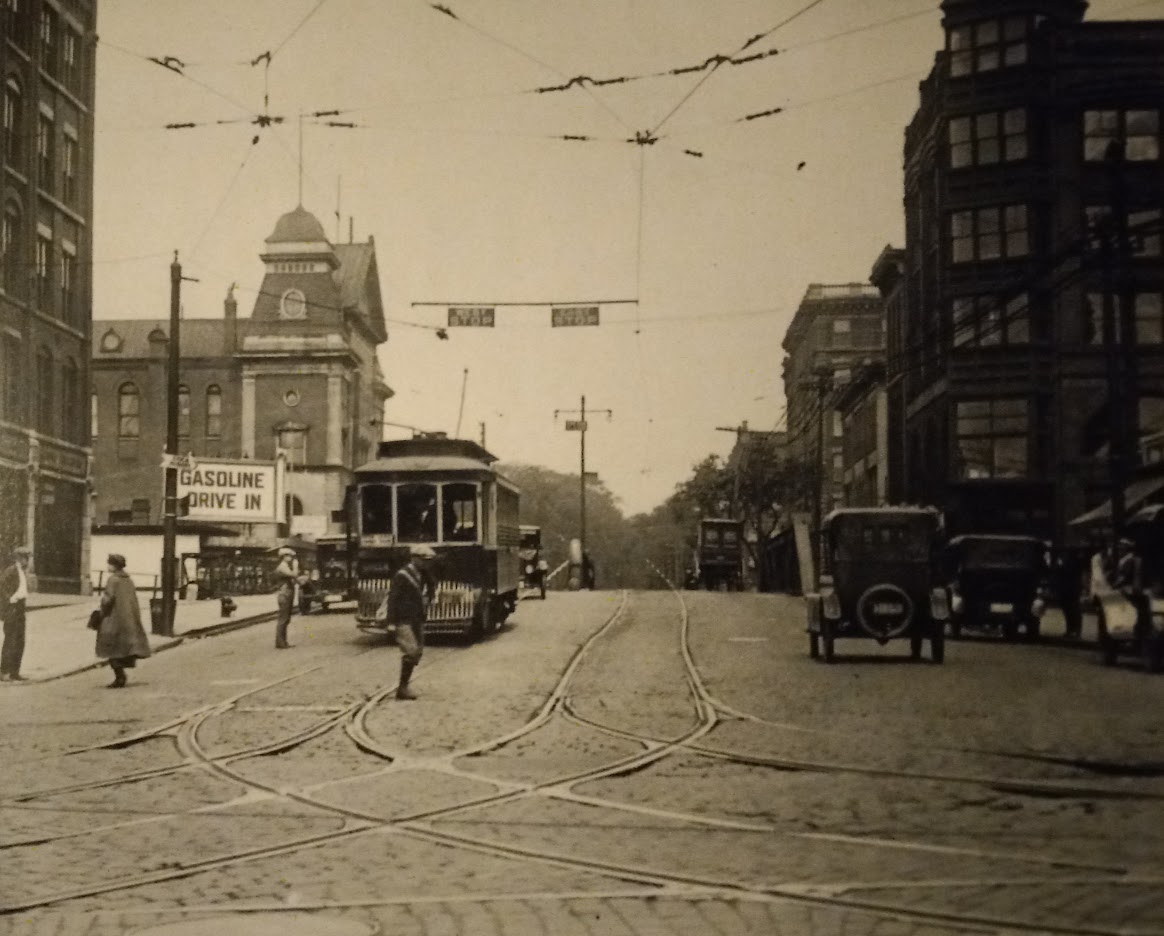
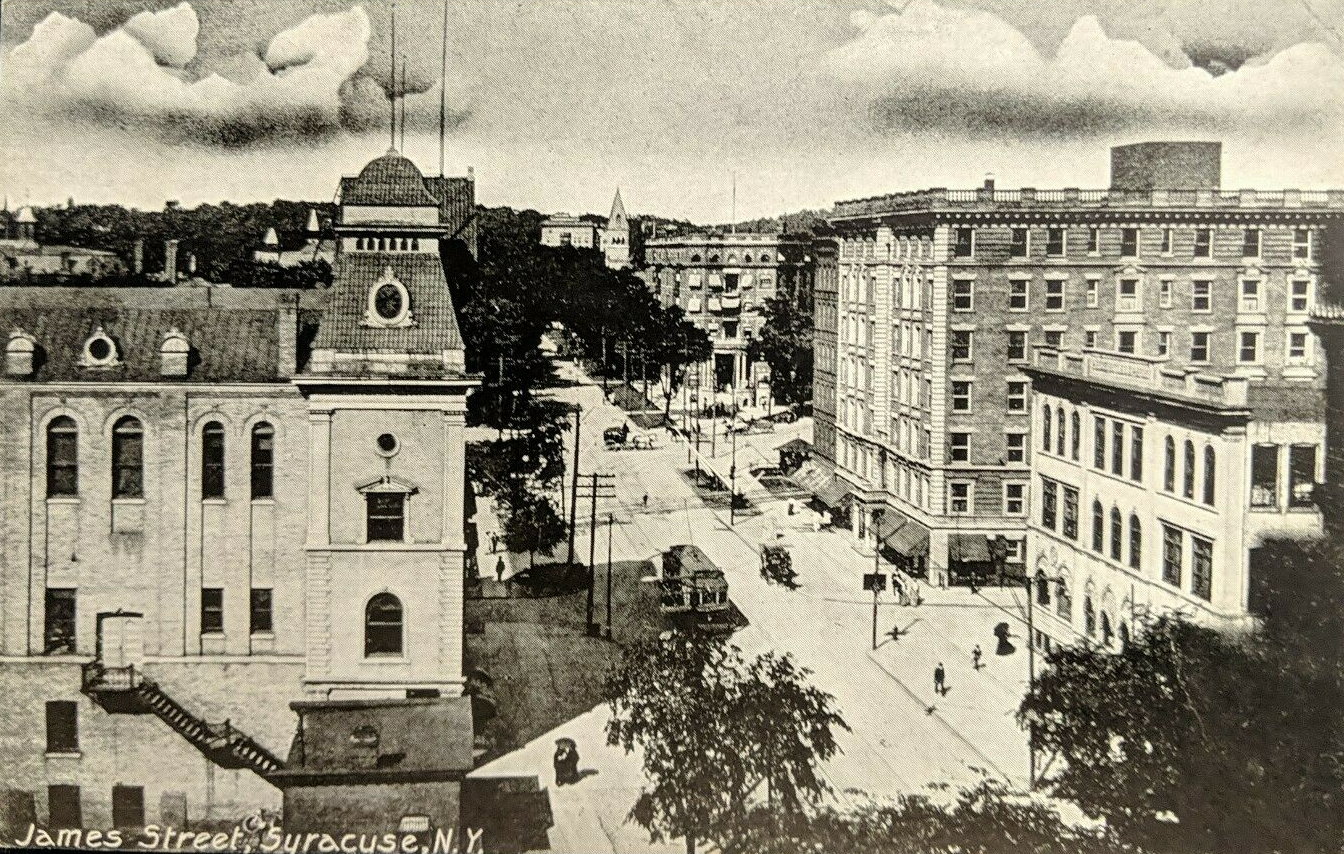
And since Centro doesn’t have nearly enough money, they rightly direct their funding to frequent service where it will do the most good: corridors where lots of people live, work, shop, worship, etc. That means James Street, Salina Street, Genesee Street, Butternut Street, Erie Boulevard, South Avenue. Centro’s best-performing lines are in the City where traditional development patterns are well suited to frequent transit service. There are currently no corridors outside the City that come anywhere near Syracuse’s levels of population and job density, and that’s why there is no decent bus service to the suburbs that anybody can rely on to get to work.

It might be possible to change that. Onondaga County just posted its first decade of meaningful population growth since 1970, and all indications are that our community will continue to grow. Those new people need somewhere to live, and there’s plenty of room for them in the urbanized area at the center of the County. More housing and mixed-use development along major suburban corridors like Old Liverpool Road, Milton Avenue, and Route 5 would create the conditions to necessary to support frequent transit service—lots of people and lots of places for them to go—and that same frequent transit service could be a reliable option for people trying to get to suburban jobs.

So here’s what it will take for Centro to run truly useful transit service to suburban employers like Amazon or Micron: lots more money, lots more housing, and much better planning. The entire County needs better bus service. Everybody needs access to all of the opportunities in this community, and this is how we can make it happen.

Restore the canal without recreating its problems

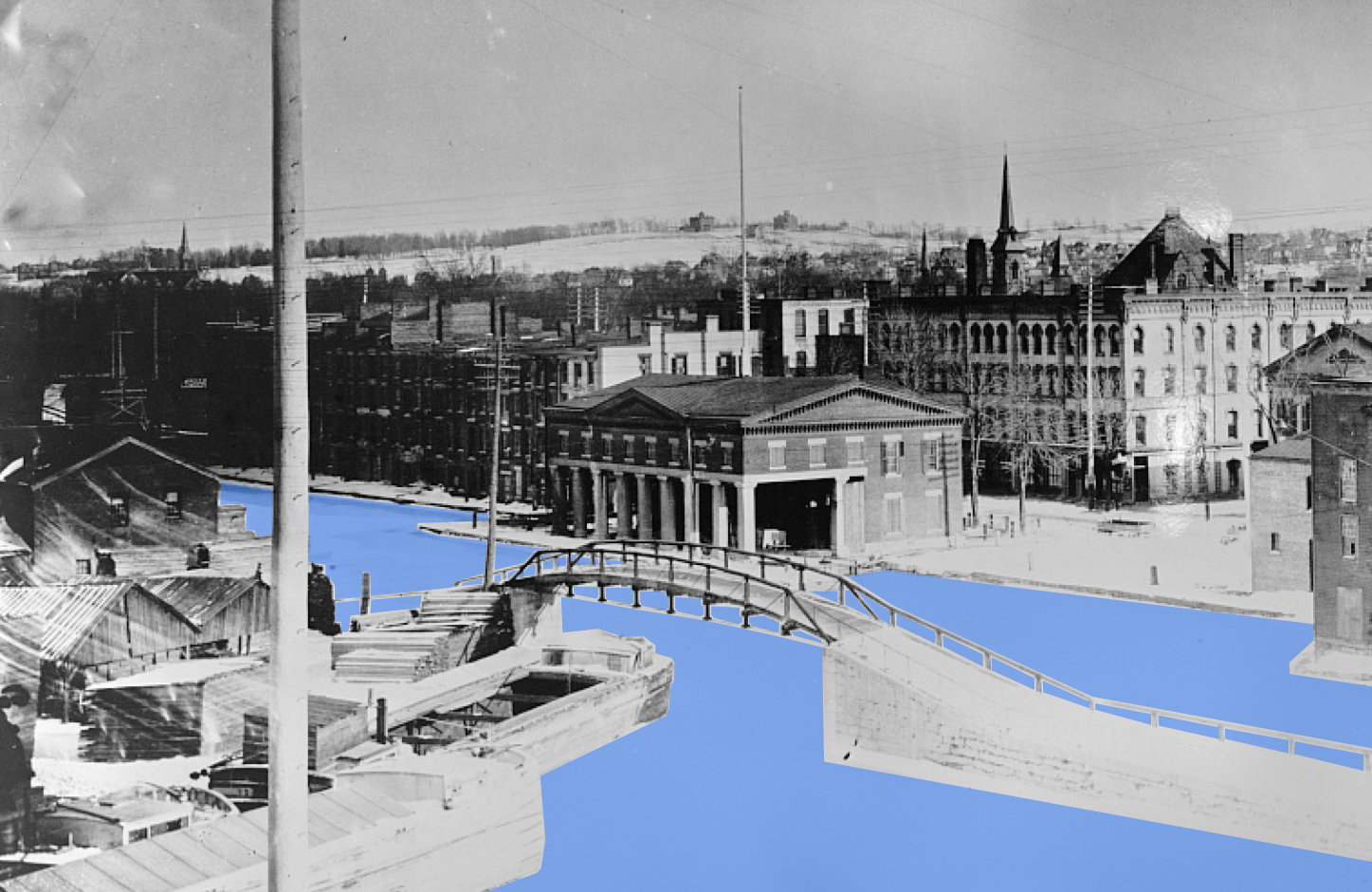
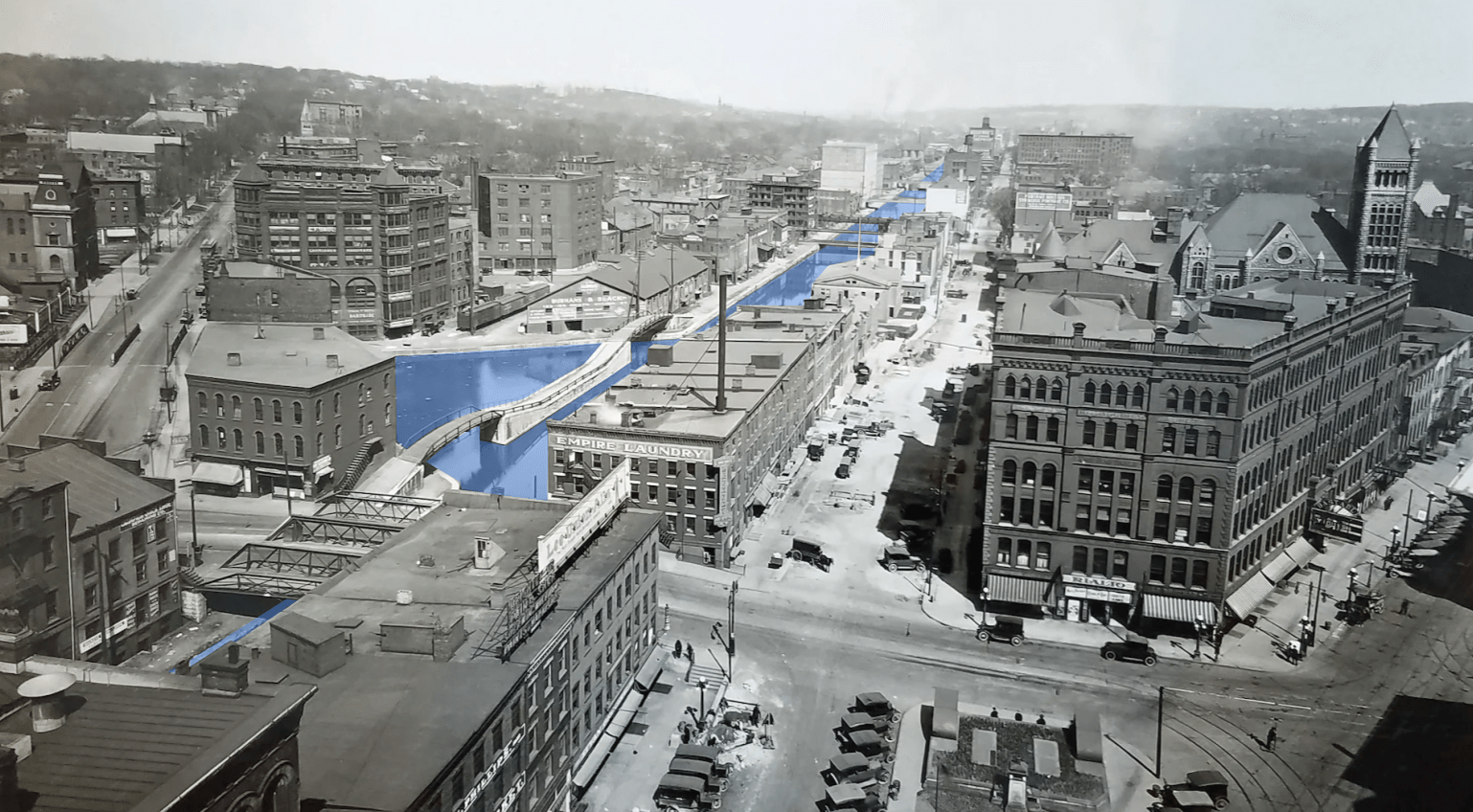
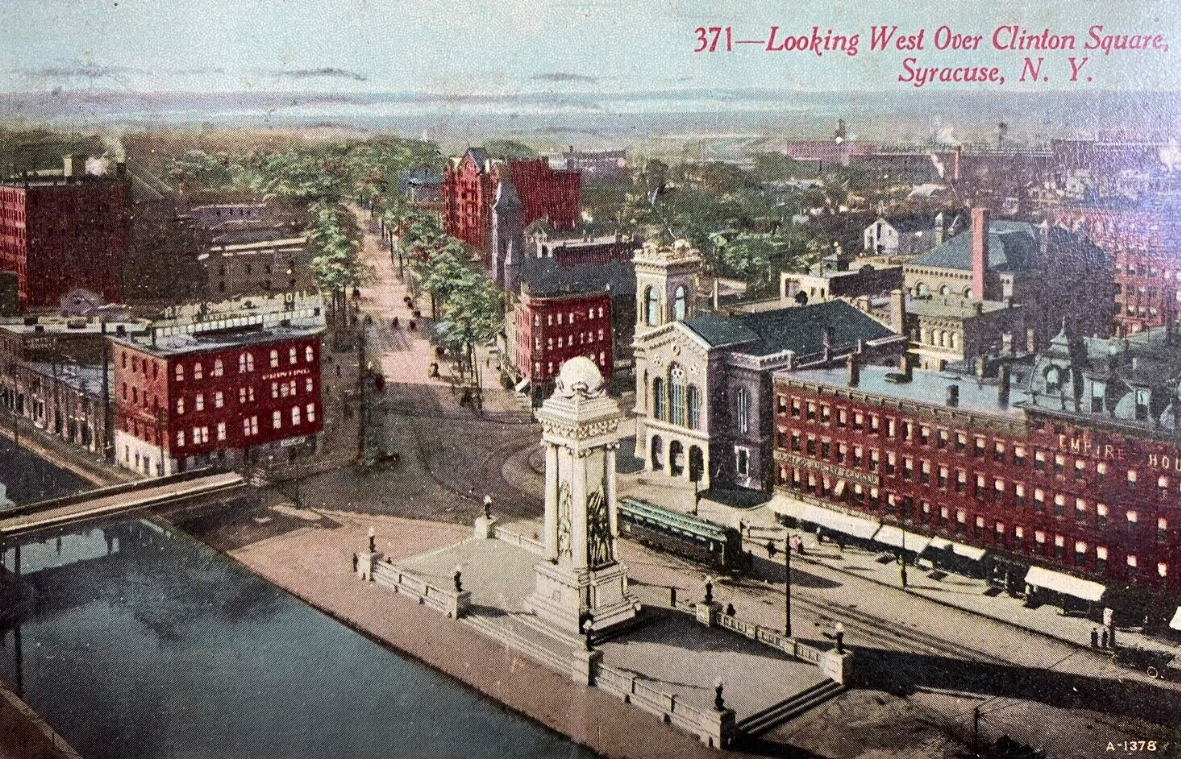
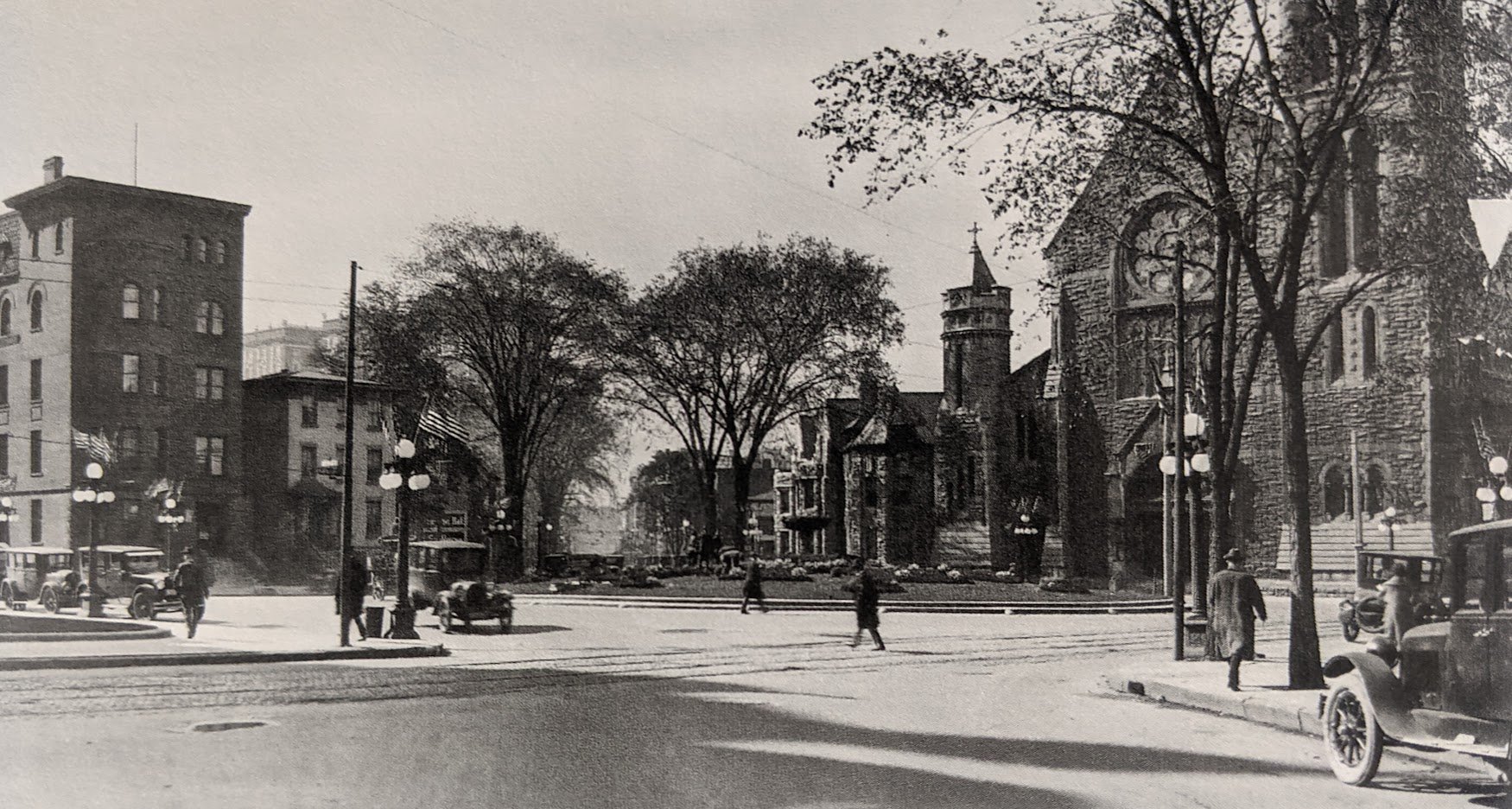
More and more people are starting to talk about the benefits of rewatering the Erie Canal in Downtown Syracuse. Old photos of Syracuse are tantalizing. Clinton Square is full of people watching the canal, and the City looks like Venice or Amsterdam or Suzhou. Compared to the Erie Boulevard of today, it can seem like Syracuse was crazy to erase this urban waterway 100 years ago.

But back then, a lot of people thought the canal was a huge nuisance, and they were happy to see it go.

If Syracuse is going to rewater the canal—and we should—then we have to understand why people wanted it gone, and we have to make sure that a restored canal doesn’t recreate the original canal’s problems.

Syracuse filled in the canal for three very good reasons. First, it was gross. 19th century industrial cities used waterways as open sewers and garbage pits, and the Erie Canal was no exception.

Second, the City wanted more roads. Car ownership was exploding in the 1920s and real estate developers were building new neighborhoods—like Scottholm—out of walking distance of the City’s center. That meant a lot more cars driving across Syracuse, and they wanted more room on the roads.

Third, and most important, the canal blocked traffic and divided the City. Dozens of bridges crossed the canal (and dozens more streets just dead-ended at the water), many of those bridges moved up and down to let boats pass underneath, and they broke down all the time so people couldn’t get across the canal.

These are real practical problems, and it would be crazy to bring them back into Syracuse today.

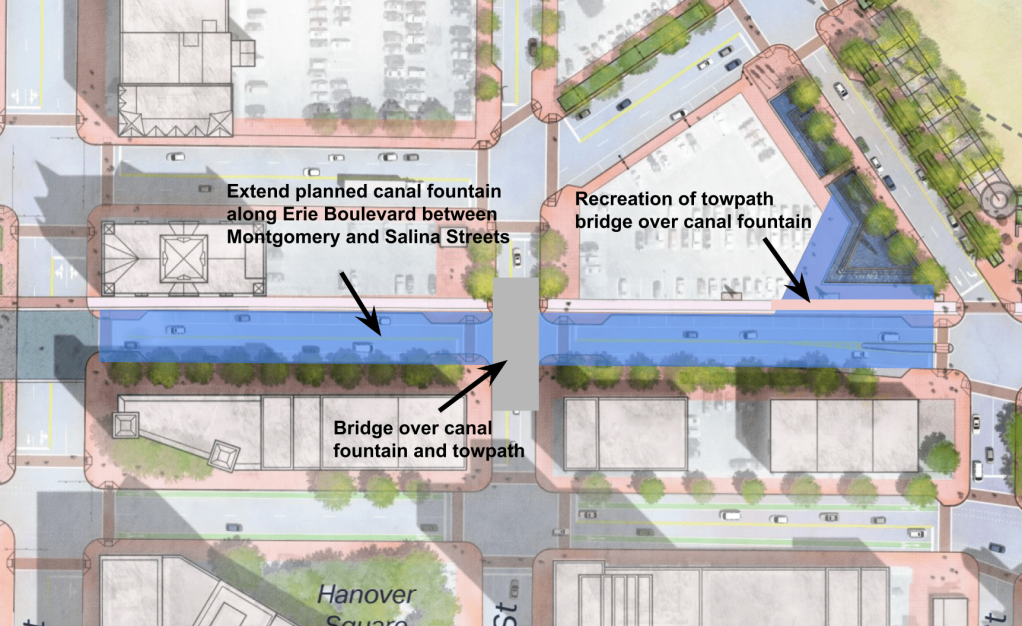
Luckily, it’s possible to get the best of both worlds—to bring water back to Erie Boulevard without bringing back the nuisances of the original canal. NYSDOT already intends to build a fountain at the corner of Oswego and Erie Boulevards as part of their plan for a ‘Canal District.’ They should simply extend that fountain into Erie Boulevard and stretch it west to Clinton Square.

Combined with Clinton Square, this would recreate a 3-block stretch of the Erie Canal’s original path through Syracuse, and it would sidestep the three main problems that led Syracuse to fill in the canal 100 years ago.

First, cleanliness. Syracuse’s rewatered canal will be a large fountain instead of a working waterway. That means boat crews won’t use it as a sewer, factories won’t use it as a trash bin, and dead mules won’t fall into it. It also means the water won’t stagnate, and it can be treated to prevent algal blooms. A canal fountain will be a lot cleaner and smell a lot better than the actual canal did.

Second, road capacity. When Syracuse built Erie Boulevard, it was the City’s primary east/west highway and carried a lot of cars. But now we have 690 for that, and nobody in their right mind would drive from DeWitt to Camillus on Erie Boulevard anymore. The two blocks between Salina and Montgomery Streets, in particular, are not useful for getting from point A to point B, and Syracuse could easily repurposed them without any noticeable effect on road capacity.

And third, bridges. A rewatered canal stretching from Montgomery Street to Clinton Square wouldn’t require dozens of bridges like the original canals did. A rewatered canal would also not carry any barges, so the one necessary bridge (at Warren Street) wouldn’t need to move to allow boat traffic to pass underneath.

A two-block fountain stretching from Clinton Square to the site of the Erie/Oswego confluence at Montgomery Street will restore the canal’s presence in the City’s center without recreating the problems that made the canal a nuisance.

A Collection of Images of Demolished Downtown Apartment Buildings

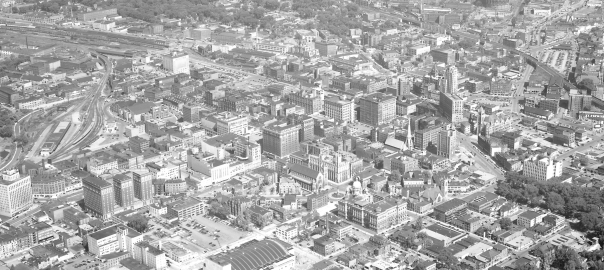
The most striking change in Downtown Syracuse’s building stock over the last 100 years is the almost total removal of apartment houses.

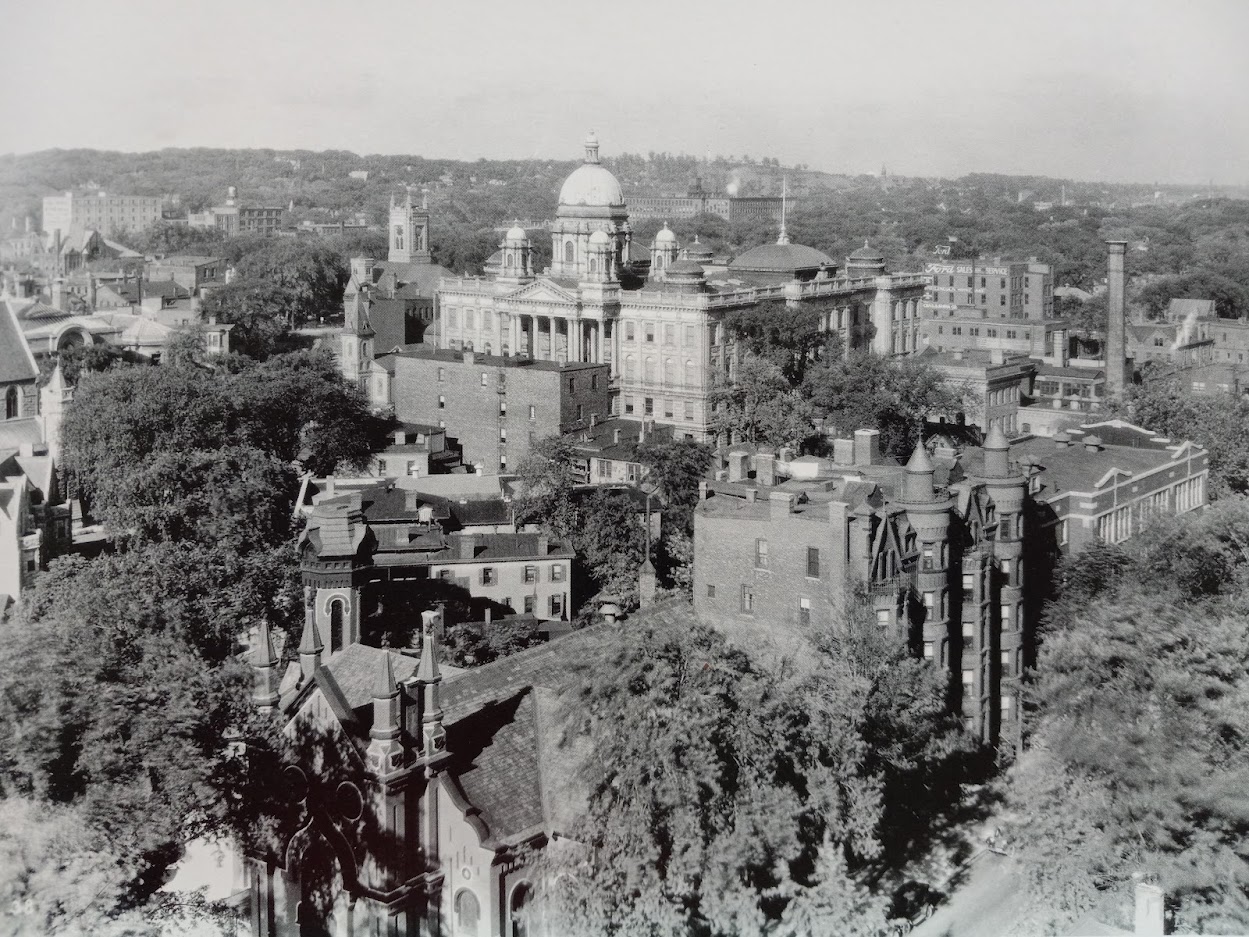
Downtown’s old apartment houses weren’t as famous as major public buildings like the Third County Courthouse of the Yates Hotel, but they were home to hundreds of people at any given time, and their loss explains why Downtown is home to less than half as many people today as in 1930. And because they were less photographed and less missed, it’s easy to forget just how numerous they used to be and just how many people used to live Downtown.

As Syracuse seeks to unmake this Urban Renewal era mistake and knit Downtown back into the the City’s fabric, it’s helpful to see pictures of these lost homes remember that the neighborhood was full of housing for most of its history. Here are some rarely seen photos of just a few of Downtown’s demolished apartment buildings.

The Holland Flats (121-127 Madison Street)

Frazer Block (101-109 W. Adams Street)

Hier Flats (408-412 W. Willow Street)

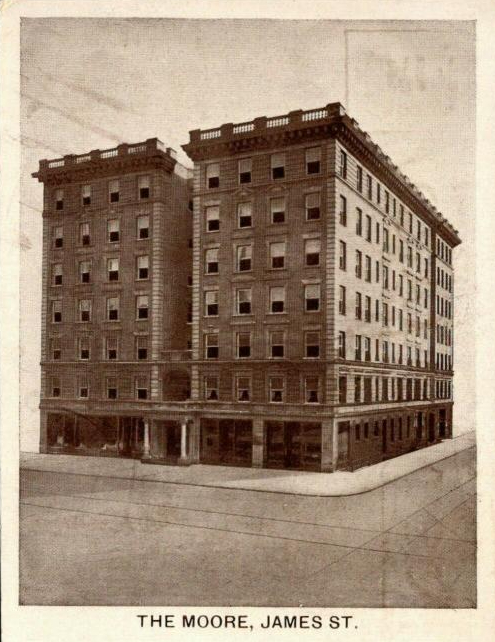
The Moore Apartments (242-250 James Street)

The Ely Flats (226 E. Onondaga Street)

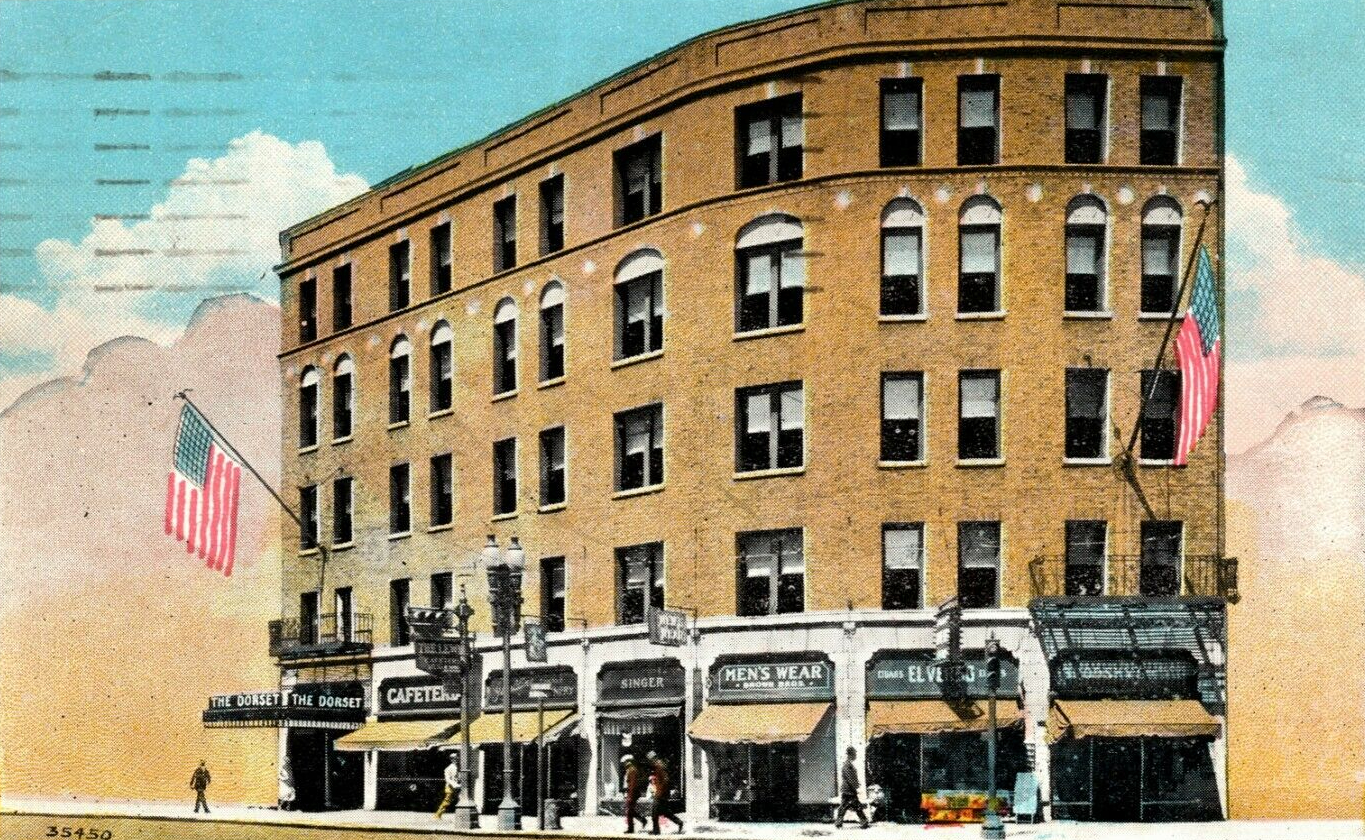
The Dorset Apartments (161 E. Onondaga Street)

This short list doesn’t capture anywhere near the volume or variety of housing that existed Downtown before urban renewal. It doesn’t include other apartment buildings like The Mabelle (513 S Salina St), the Gendreda Flats (620 S Warren St), the Adella Flats (616 S Warren St), the Langdon Flats (614 S Warren St), the Kenyon Flats (610 S Warren St), the Westminster Flats (206 E Harrison St), the Lydon Flats (129 N State St), the Charles Flats (417 E Jefferson St), The Madison Flats (315 Madison St), The Mowry Apartments (100 W Onondaga St), The Florence Flats (101 W Onondaga St), Lyons Flats (200 W Adams St), or Merrick Place (201 W Adams St). It also doesn’t include the many boarding houses, rooming houses, and tenements that used to cover the land bounded by and underneath today’s elevated highways. And it doesn’t include the dozens of hotels that housed both short- and long-term residents before urban renewal.

But this short list does show that there used to be a lot more housing Downtown and that recent residential construction in the City’s center is a reversion to our historical mean rather than some strange new phenomenon. We’ve got a lot more building to do before Downtown can house as many people as it did 100 years ago, but we’re getting closer all the time, and that’s a good thing.

Fixing the Creekwalk Downtown

The Creekwalk has a problem: its most interesting spots—the places where people stop and stare, where they can get close to the water, the places that make it unique—flood and have to get blocked off after heavy rains. Seen from the other side, the Creekwalk’s most reliably dry portions—the sidewalks Downtown—are its most boring.

interesting but flood-prone vs boring but flood-proof

The I81 project shows how City Hall can fix this problem. As part of the removal of the West Street interchange, NYSDOT is going to build a new section of Creekwalk along the west bank of the Creek from Erie Boulevard to Evans Street. The new section of trail will have views of the canal aqueduct that still carries Erie Boulevard over the Creek. The new trail will also function like a bypass of the flood prone but beautiful part of the Creekwalk that currently dips below 690 and runs right near the water into Franklin Square.

the flood-prone portion of the Creekwalk is shown in blue. The image on the left shows NYSDOT’s planned Creekwalk extension which can function as a detour around flooding when the Creek is high.

So once NYSDOT builds the new section of trail, it will never really be a problem when the Creek rises after heavy rains. City Hall can block off the flooded section, and people using the trail can take the—much higher and unlikely to flood—west bank path to avoid the problem area entirely. (for this reason, the Empire State Trail—which follows the Creekwalk from Downtown to the Inner Harbor—should shift to the new west bank path once it’s complete).

City Hall should apply this same logic to more of the trail. In effect, the Downtown section of the Creekwalk we have now is more like a flood-time detour than a real multi-use path. It crosses city streets, uses existing sidewalks, and is totally out of sight of the Creek all to avoid dealing with flooding closer to the water’s edge. The result is flood-proof but boring.

And it’s a huge missed opportunity because the Downtown section of Onondaga Creek is one of the most interesting spots in Syracuse. Beneath the modern city at street level, the Creek winds through old stone bridges, some built before the Civil War. The running water drowns out traffic noise, and the shade and stonework makes the path along the Creek cool and comfortable on hot days. It’s an amazing space, and more people should be able to experience it.

All City Hall has to do to make this happen is clear out some weeds, install a couple bridges, and build a few short connections between the existing path at the Creek’s edge and the current official Creekwalk up at street level. The end result would be two continuous parallel paths from Onondaga Place on the Westside to Plum Street in Franklin Square.

One—the current Creekwalk plus NYSDOT’s planned west bank detour, shown in green on the map below—would be totally flood proof, a viable option for using the Creekwalk no matter the weather, and a good route for the Empire State Trail.

The other—a water-level route along the Creek bank all the way through Downtown and Franklin Square, shown in blue on the map below—would keep people away from street traffic and follow the water’s hidden path through the very center of the City.

The Creekwalk is a huge success story. It’s the most impressive park City Hall has built in decades. It connects neighborhoods across Syracuse and puts people in touch with parts of the City they would never experience otherwise. But the oldest part of the path—the street-level portions Downtown—are simply not up to the high standards this success has set. City Hall can fix that by adding a water-level route that parallels existing street-level path through Downtown.

BRT on South Salina

Centro’s recent announcement that they are planning Bus Rapid Transit service along South Salina Street is great news for public transportation in Syracuse.

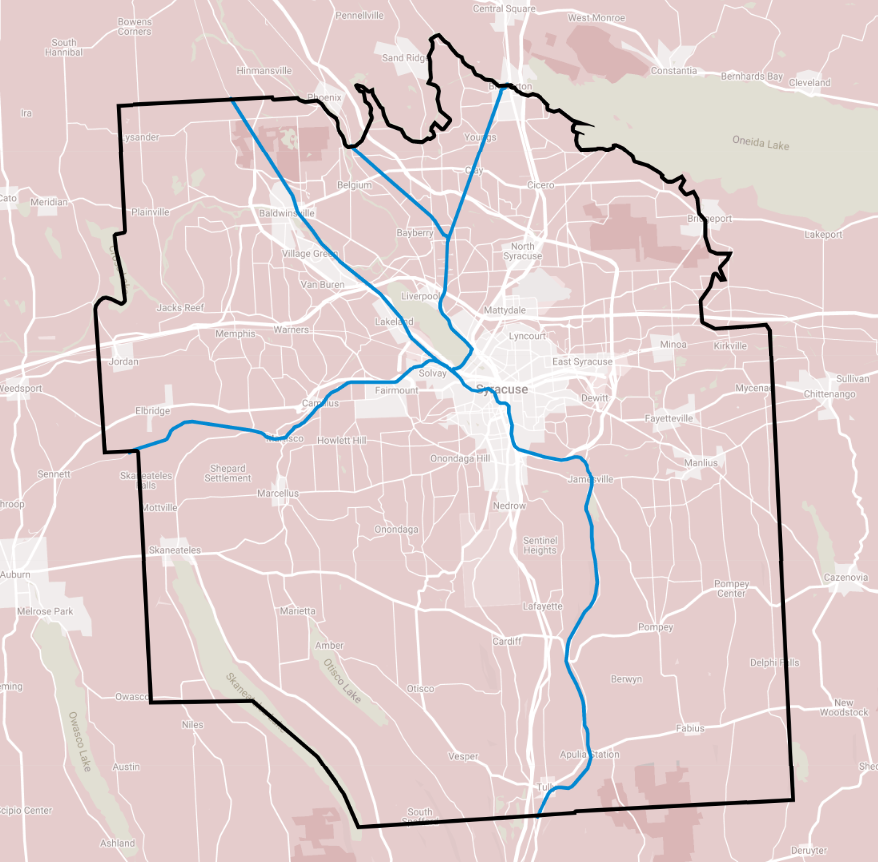
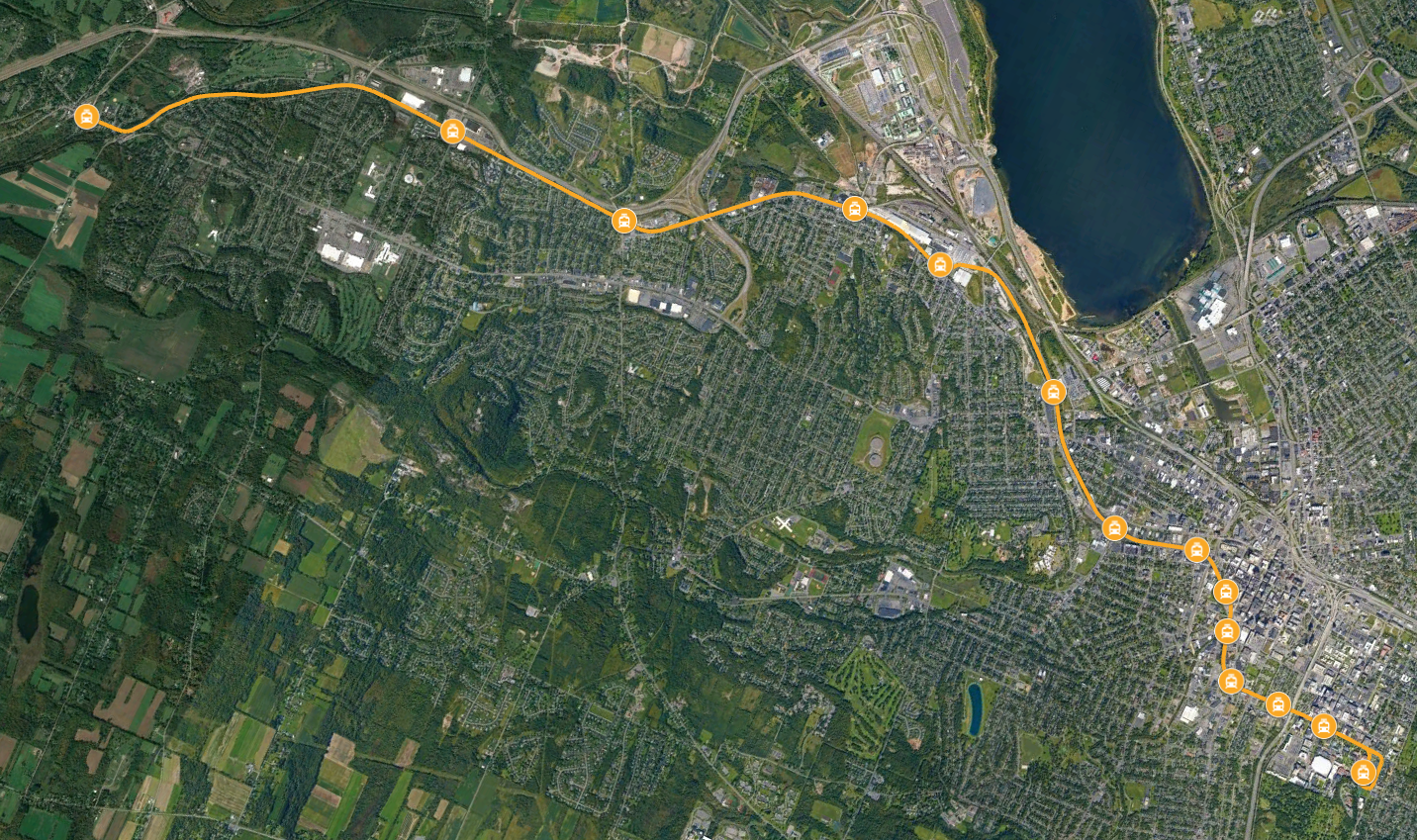
Since 2017, pretty much all discussion of BRT in Syracuse has been confined to the two lines  described in SMTC’s SMART1 report, but SMART1 itself assumed the eventual BRT system would include more lines. South Salina is a perfect place to run Centro’s next BRT line, and it will make the system more useful to three groups of people.

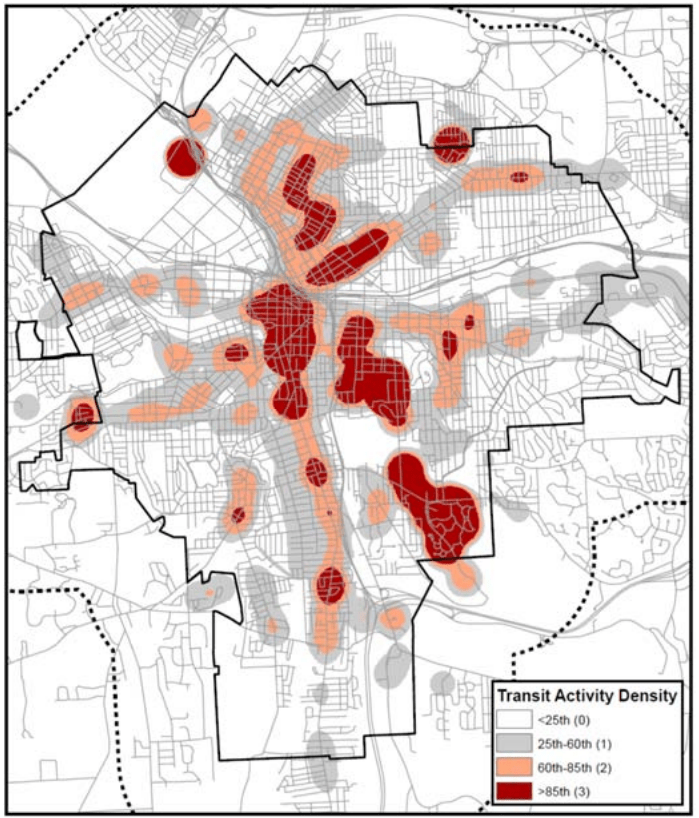
First, better bus service on South Salina will serve more people who rely on the bus. South Salina has always been one of Centro’s top performing bus lines—both in terms of overall ridership and ridership per service hour. That’s because lots of people who live along South Salina ride the bus. Look at a heat map of bus boardings, or a population map showing where people who commute by bus live, and it’s clear that the South Salina corridor is one of Syracuse’s strongest transit corridors. Adding frequency there will allow lots of current bus riders to take more trips immediately.

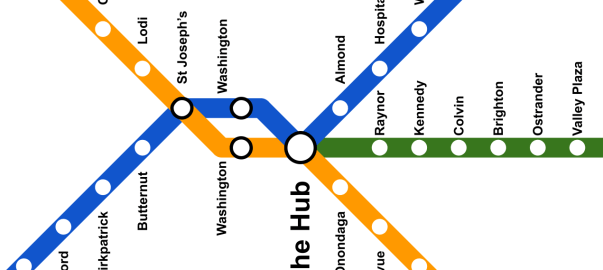
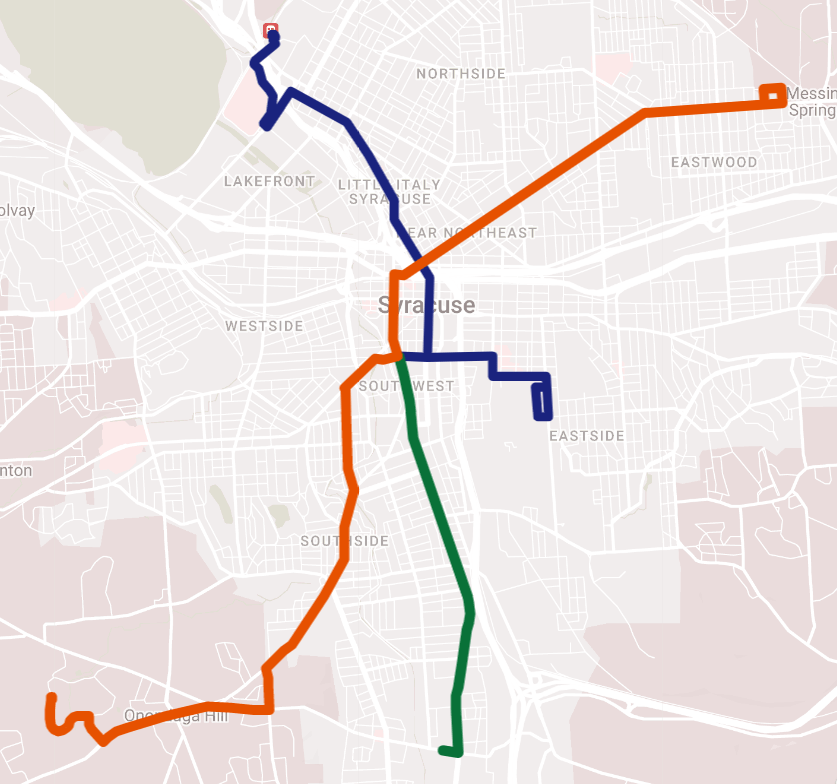
Second, transit’s network effect means this additional BRT line will benefit people who live along the original SMART1 lines too by increasing the system’s service area. BRT uses high service frequencies to facilitate connections between multiple lines, so no matter where you board a BRT bus, you can easily get anywhere else in the system. That means every new line increases the number of places existing riders can go, and that will make the two original SMART1 lines (shown in blue and orange below) more useful for more people.

note: Centro has not officially stated where the South Salina line will terminate. These maps are guesses.

Third, this network effect also benefits neighborhoods as a whole along each line. Shops, businesses, libraries, and church’s sitting on either of the two SMART1 lines will have a larger pool of customers, workers, patrons, and congregants with the addition of the South Salina line. That network effect puts existing businesses and institutions in a better place to succeed, and it will strengthen neighborhoods by attracting even more businesses and institutions and making more opportunity accessible within the City.

For all these reasons, it’s a very good thing that Centro is looking for ways to expand its plans for BRT service beyond the two lines described in the SMART1 study. We need to upgrade every high-performing Centro bus line—including South Salina but also those serving high-ridership corridors like Butternut, Genesee, and Onondaga—to BRT service in order to create a citywide network. That’s the transit system Syracuse needs and deserves, and Centro is committed to building it.

How to build rail transit in Onondaga County

Onondaga County’s extensive freight rail network—and particularly the elevated viaduct running through Downtown—has long inspired dreams of rail-based rapid transit in Syracuse. It seems like we’re this close to having big-city transit without the hassle of having to lay any new track or building much infrastructure. Just run passenger trains on the rails that are already there, and Syracuse would have its own version of Chicago’s El.

OnTrack showed that the reality is more complicated. You can’t just put a passenger train on any preexisting tracks and expect quality transit. The service—when, where, and how fast it runs—actually has to be useful if people are going to use it. OnTrack’s service was very bad and few people used it, in part, because of insufficient infrastructure. Any serious proposal for rail transit in Syracuse has to fix the infrastructure problems that doomed OnTrack.

To see what it would take to make rail work, look at the western corridor from Camillus through Solvay to Syracuse. The 2014 Syracuse Transit System Analysis identified this as a ‘transit improvement corridor’ because of existing transit ridership, population and employment density, and potential for new development. The 36 and 74 buses already serve the corridor—on West Genesee Street and Milton Avenue, respectively—and are among Centro’s best-performing suburban bus lines. In fact, these buses trace the same lines as two of Syracuse’s streetcar routes. The Near Westside, Tipp Hill, Solvay, Fairmount, and Old Camillus are all original transit-oriented development.

And luckily, an existing freight rail line stretches the entire length of this corridor. The Finger Lakes Railway operates from the Village of Camillus to Solvay, and the New York, Susquehanna & Western runs from Solvay through Downtown to University Hill.

But if we just replaced buses on Milton Ave with passenger trains on this rail line as it exists right now, it would be a huge downgrade in transit service. The right-of-way needs major improvements to offer truly transformational transit service.

DOUBLE TRACK

The existing rail line is only single tracked for most of its length. That means trains can’t run in opposite directions, and it presents two serious problems.

First, it limits service frequency to what a single train can provide running nonstop. For this 11 mile-long corridor, that means the train would serve each stop about once every 40 minutes—not the kind of service that would allow a person living in Camillus to get by without a car.

Second, a single-track would make it impossible for trains operating on other corridors (north to Baldwinsville or Liverpool, maybe) to share the City Center tracks with this line. Limiting the network to just a single line makes it much less useful because it limits who can access the system and where they can go. The most useful rail network would allow riders to connect with multiple lines so they can travel all across the county.

So in order to improve service frequency and expand the rail network, the right-of-way needs an additional second track.

SHIFT THE RIGHT-OF-WAY

Although the rail line follows Milton Avenue’s general path, it misses several important destinations currently served by bus.

Take the western terminus at the Village of Camillus. The bus stops right in the middle of town, but the old train station is about half a mile from the village’s center. That puts too many people and destinations out of easy walking distance of the train, so the tracks need to come to them. Quality passenger service needs new tracks running down Genesee Street so the terminal station can be in the center of the village.

In Solvay, one of the main areas of activity and residential density is at the intersection of Milton and Lamont Avenues. This is a great place for a station stop, and the existing right-of-way passes within a quarter mile, but it’s impossible to walk from the tracks to this spot because there are multiple factories in the way. Routing new tracks along Milton from Bridge Street to Erie Boulevard would bring service right where it needs to be.

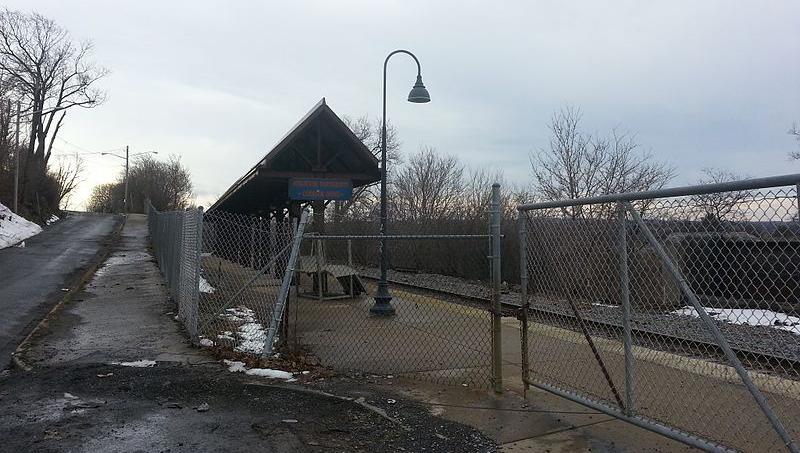
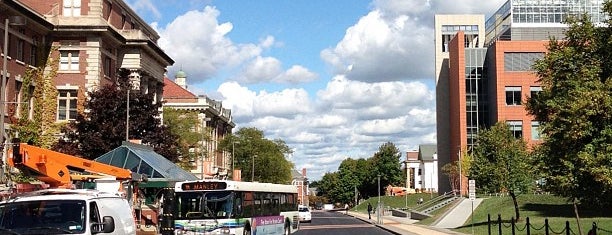
At the Syracuse end of the line, the tracks run up against University Hill, but not anywhere worth getting off. The old OnTrack station is surrounded by parking lots, and it is more than half a mile walk (uphill) to the hospitals and most of SU’s academic buildings and dorms. The tracks should run up into the hill right past the hospitals and into Syracuse University’s Campus. This would allow for additional station stops where there’s lots of demand for transit, and it would facilitate connections between the rail line and the University Hill bus network.

In order to run the service where it needs to go, the right-of-way needs to shift in a few key places.

PEDESTRIAN INFRASTRUCTURE

Even when the tracks run right where they need to, a lack of pedestrian infrastructure can make the stations practically inaccessible.

Hinsdale Road is within walking distance of lots of housing, jobs, and things to do, but there are no sidewalks along any of the nearby streets and no crosswalks at any of the major intersections. People would be putting their lives at risk just walking from the train to their final destinations. Milton Ave and Hinsdale Road need sidewalks and crosswalks if anybody is going use a train station there.

In Syracuse, the rail line runs between the populous Park Ave and Near Westside neighborhoods, but there’s no way for people to walk from both neighborhoods to a single station because there is no pedestrian connection between Erie Boulevard West and West Fayette Street. This halves the area within walking distance of any Near Westside station and limits the number of people who can catch the train. A bike/pedestrian path connecting Erie Boulevard West to West Fayette Street would allow many more people to ride the train.

The Downtown rail viaduct runs within 500 feet of Centro’s bus Hub, but to get from one to the other, you have to cross two busy streets. Passenger rail needs to connect to the entire bus network to serve as many people as well as possible, and separating the services with two crosswalks just won’t cut it—imagine getting off the bus and seeing your connecting train pull away as you wait for the light to change so you can cross the street. A covered pedestrian bridge from the rail line to the bus Hub would let people make those connections quickly and easily.

Getting all those details right will take a lot of investment, but it would create a fast, frequent, reliable rapid transit line that connects the western suburbs.

Make the same kinds of improvements on other rail lines across the county, and the change would be transformational: a fast, frequent, reliable metropolitan transit network that could shape the region’s growth equitably and sustainably.

Three reasons Syracuse needs new housing

Syracuse has a housing crisis, but when a new apartment build gets proposed there’s usually someone who asks whether Syracuse really needs any new housing. The thinking behind that question goes something like this: ‘Syracuse’s population is basically stagnant, we already have plenty of housing, why should we build any more?’

There’s good sense there. Syracuse’s overall population is stable, and it is good to invest in the City’s built infrastructure like its existing but deteriorating housing stock.

But there are plenty of reasons Syracuse also needs more new housing and why any new construction is, all else equal, a good thing. Here are three of those reasons.

population change from 2000 to 2020 (blue is growing, red is shrinking)

Some neighborhoods are growing

Syracuse’s overall population stability masks wildly divergent trends between neighborhoods. In general, since 2000, while the City as a whole has neither gained nor lost population, there has been a huge surge in the number of people living on the Northside, University Hill, and Downtown. At the same time, the South and West Sides have seen significant population loss.

Growing neighborhoods need new housing. Don’t build enough to make room for all the people who want to move in, and prices will rise. That’s what’s going on Downtown where new construction hasn’t kept up with demand and prices have shot up.

Many growing neighborhoods compete for residents with suburban areas rather than other City neighborhoods. When these places put artificial limits on the number of families who can move in, they spur sprawl and rising prices.

This house doesn’t exist anymore.

Existing housing is falling down

It shouldn’t be news to anyone that Syracuse has lots of uninhabitable housing. In neighborhoods with fewer families than homes, lots of older houses and apartments have sat vacant for years, and our harsh winters and wet summers have done lots of damage to their roofs and foundations and walls.

Some of these houses can be rehabbed—and some contractors make money flipping dilapidated Land Bank houses—but many will simply never house another family. There just aren’t enough people willing to pay enough money to cover the enormous cost of renovating them—at least not at scale—so they sit empty until they fall over or get demolished.

With so much housing rotting away every year, Syracuse needs new construction just to house a stable population. That’s the idea behind City Hall’s Resurgent Neighborhoods Initiative. They assemble contiguous vacant parcels in targeted neighborhoods and build brand new houses to fill the space left by demolished dilapidated housing.

This proposed building would have added 34 1-bedroom apartments to a neighborhood that needs them

Households are shrinking

More than 2 out of every 5 housing units in Syracuse were built before World War II. Life’s changed a lot since then, and Syracuse’s existing housing doesn’t exactly match the community’s needs. In particular, households are much smaller than they used to be (this is true across America). The average Syracuse household in 1940 contained 3.6 people. In 2020, that number was down to 2.6.

This demographic shift creates a need for new housing in two ways. First, smaller households mean Syracuse needs more housing to accommodate even a stable population. 205,967 people lived in Syracuse in 1940, but they only made up 57,009 households. 2020’s census counted just 148,620 people in the City, but those people formed 59,336 households. Even though 28% fewer people lived in Syracuse in 2020 than in 1940, that smaller population filled more homes.

And second, changes in household size create new needs for different kinds of housing. In 1940 there were 4,526 one-person households in Syracuse—they accounted for 8% of all households in the City. In 2020, there were 21,913 one-person households in Syracuse, and they accounted for 39% of all households.

But Syracuse’s housing stock has not kept up with the huge increase in 1-person households. Just 13,158 occupied units are either 1-bedroom or studio apartments. That means plenty of 1-person households are living in homes with more than one bedroom. Some of them may need the extra space, but many probably do not, so they are overpaying and competing for space with larger households.

That’s why so much new construction includes lots of 1-bedroom apartments—Syracuse needs more of that kind of housing because of huge demographic shifts that have occurred since most of our existing housing was built. Matching Syracuse’s housing stock to its present-day population is going to require a lot more new construction.

Syracuse needs new housing. We need it to make more room for people in the places they want to live, we need it to replace the housing that’s been allowed to fall into disrepair, and we need it to meet the new needs of new generations.

Scaling up Weekends on Walton

As the weather warms up and people start spending more time outside, it’s time to expand one of City Hall’s best pandemic-era pilot programs: Weekends on Walton.

For the last two summers, Syracuse has created new outdoor public space in Armory Square by opening two blocks of Walton Street for people to walk, sit, eat, and drink. It was an idea City Hall had already been investigating, and the pandemic made it necessary—when nobody could spend time inside, restaurants needed new outdoor seating to stay afloat.

The pilot worked. Restaurants did well, people were able to gather safely outdoors, and Armory Square got a much needed breath of life. When Summer 2021 rolled around, City Hall ironed out some kinks and ran the program again.

As with any successful pilot, City Hall should now scale the program up. There are three good ways to do this.

First, Weekends on Walton should become more permanent. The 2019 SMTC study that inspired the pilot program recommended physical changes to the street that would make Weekends on Walton more attractive and easier to implement. These include removable bollards at Walton’s intersections with Franklin and Clinton Streets, and making Walton a ‘curbless street’ like Genesee in Hanover Square.

These simple changes would constitute another iteration of the Weekends on Walton concept. They’d make the street—which is in a terrible state of repair and difficult to walk on—more attractive, accessible, and safer. They’d make Weekends on Walton more popular, and they’d make it easier to scale the project up again by keeping Walton open to pedestrians full-time like Genesee Street in Hanover Square.

Second, City Hall should replicate the Weekends on Walton pilot in other parts of the City. There are several spots Downtown where the program could succeed. Willow Street between Dinosaur BBQ and Apizza Regionale, and Montgomery Street next to City Hall, Bank Alley are all flanked by multiple restaurants and unnecessary for cars driving around Downtown.

There are also several spots outside of Downtown that meet these criteria: McBride Street at Amos Park on the Northside, Dell Street in Westcott, Collingwood Avenue in Eastwood, Green Street and Hawley Avenue. Replicating the Weekends on Walton concept in spots like these would spread the project’s benefits to more neighborhoods.

Third, City Hall should expand the purpose of the project. The first iteration of Weekends on Walton was clearly designed to help some specific businesses get through the worst days of the pandemic. Those days are past now, and it’s time to ask how the broader public could benefit from giving streets back to the people.

In neighborhoods across the City, people beat the heat by getting outside. Walk through most any neighborhood on a hot day, and you’ll see people on their porches, on their stoops, in their front yards, enjoying the breeze and their neighbors’ company.

This is undoubtedly a good thing, and City Hall can help it out by turning individual blocks into public space in neighborhoods across Syracuse. That’d put small public parks right outside more people’s front doors.


Weekends on Walton is a great success story for City Hall. In a time of crisis, our government worked to try something new, and it made people’s lives better. Now we should build on that success by scaling the project up—making it more permanent, bringing it more places, and expanding its purpose.
ADUs in ReZone

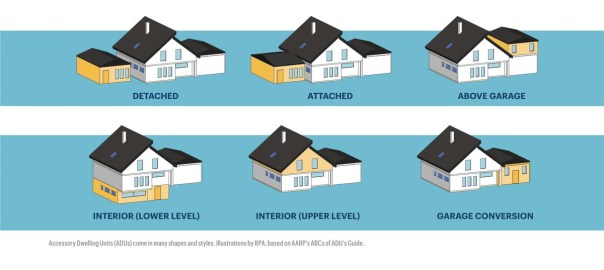
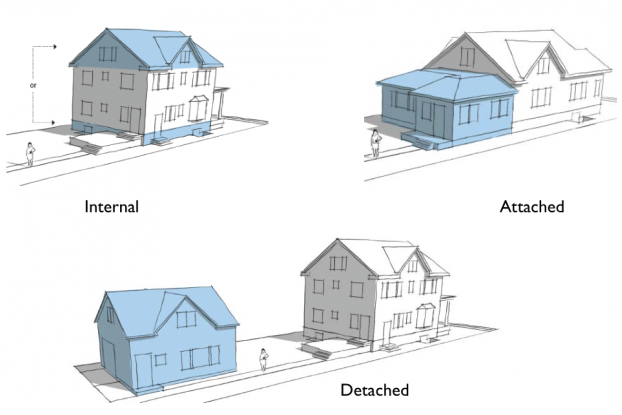
City Hall wants to legalize Accessory Dwelling Units (ADUs, or small 1-bedroom apartments built in extra space on a residential property). That’s good, but in order to secure all the benefits that this type of housing can offer, City Hall will have to do more than just list it as an ‘allowed use’ in the zoning code—ReZone will also have to adjust other regulations that would functionally ban ADUs in most of the City if enacted as drafted.

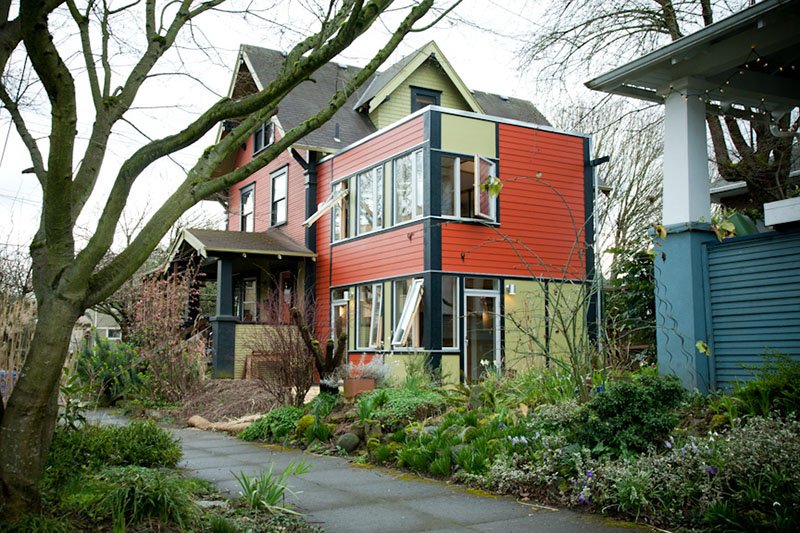
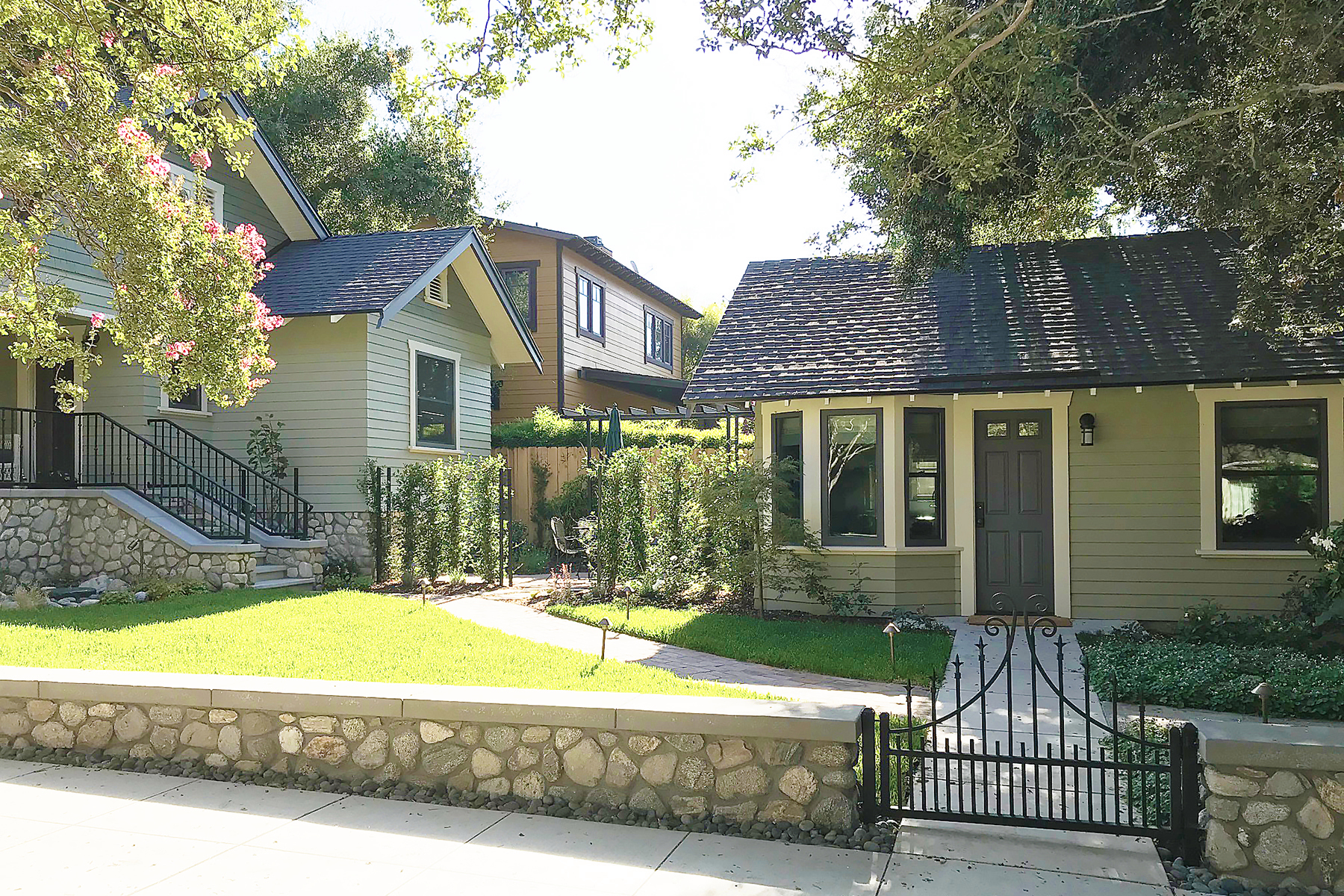
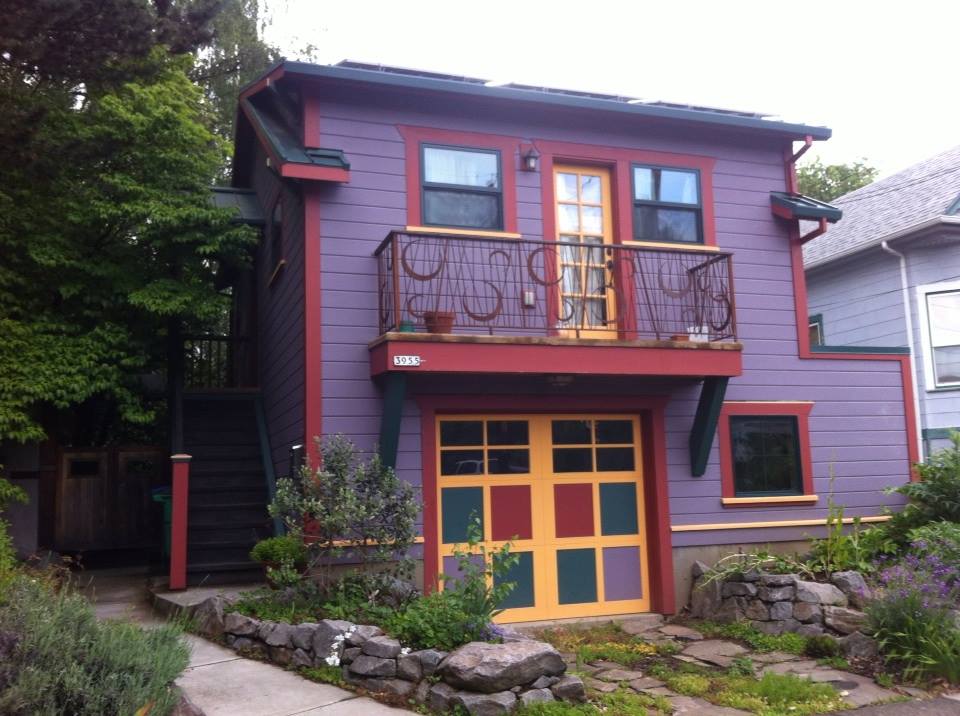
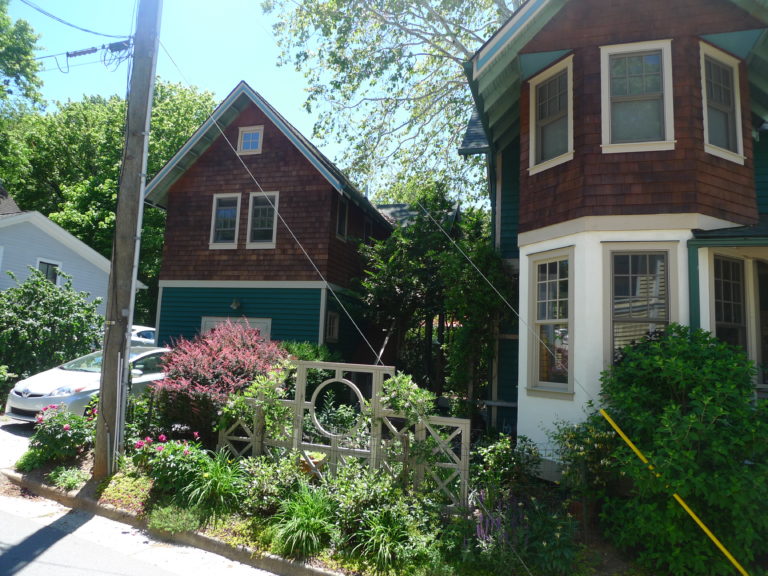
ADUs (also sometimes called in-law apartments or granny flats) are a traditional housing type that used to be common in Syracuse and cities across America. Families that needed a little extra money to afford a mortgage—adults who wanted their aging parents close by to help with childcare—parents whose adult children who’d moved away and left the house mostly empty. People in all of these situations responded by turning some small part of their property—maybe the attic, or by building a garage with living space above—into an additional apartment where another person could live in privacy.

different types of ADUs

ADUs were banned from many cities during the era when planners and politicians tried to apply suburban ideals to urban neighborhoods. They thought it was strange and slightly deviant for unrelated people to live near each other, so zoning codes—like Syracuse’s—reserved a lot of residential land for single-family homes only and banned other traditional housing types including ADUs.

But ADUs are becoming popular again for the same reasons that they were popular in the past. People want the flexibility to adapt their property to meet their family’s needs. We’re not all picture-perfect midcentury sitcom families with identical needs that can all be served by suburban-style houses. ADUs are a good way to make Syracuse’s housing stock work for more people.

So it’s a very good thing that City Hall is amending ReZone to allow ADUs in all residential districts. Previous drafts of the new zoning law had excluded ADUs from any lot zoned R1, but in a February presentation to the Common Council, City Planner’s implied that the new draft would allow ADUs in R1 as well as all other residential districts.

However, the current draft outright bad on ADUs is not the only regulation that would make them a practical impossibility for most homeowners—lot coverage regulations are another barrier. ReZone says that built structures can only cover 30% of the area of residential lots with single-family homes. But most homes in most Syracuse’s neighborhoods (except its post-war semi-suburban areas like Meadowbrook and Winkworth) already cover more than ⅓ of their lots. In these situations, it would be impossible to build an ADU in the rear yard (either as a standalone structure or as an addition to the house) even though the rest of the ordinance is written to encourage that kind of construction.

This coverage requirement isn’t about environmental considerations like stormwater runoff. Homeowners are allowed to cover much more of their lots—up to 65%—with impermeable surface so long as that extra 35% is surface parking. There’s no good reason to value space for parked cars over housing for people who need it.

So when City Hall finally releases the new ReZone draft (they promised it by March, but that deadline’s long past), look to see whether they’ve taken the necessary steps to make ADUs not just legal, but also practical for the people who need them in neighborhoods across the City.

Right-sizing Almond Street

When NYSDOT tears down the viaduct and builds the Community Grid, Almond Street should have the narrowest right-of-way possible. Last summer’s Draft Environmental Impact State showed Almond Street much too wide, but the Final Environmental Impact Statement NYSDOT released last week showed a path towards making Almond Street a more reasonable width.

A primary goal of the I81 project should be to restore the City’s center as an equitable, sustainable neighborhood that offers good housing to lots of people. Almond Street’s width affects that goal in two ways.

First, wide roads lead to speeding cars and dead pedestrians. Wide lanes, wide intersections, and a wide field of view make drivers feel like they should go fast no matter what the speed limit says. NYSDOT knows this and is planning to build Almond Street so that drivers feel comfortable driving 35 mph, even though a car traveling that speed is much more likely to kill a pedestrian than a car traveling 25 mph. Narrowing lanes, tightening turns, and bringing buildings closer to the street will all encourage car drivers to go slower, and that will make the City’s center a better connected neighborhood and a more pleasant place to live.

Second, the less room Almond Street takes up, the more room there will be for people’s homes. The DEIS showed Almond Street’s right-of-way stretching 174’ across. For reference, Salina St is 99’ wide, and the West Street Arterial—including the high-speed lanes, the Creekwalk, and the access road—is about 140’ wide. NYSDOT could easily fit all of the infrastructure they want for Almond Street—4 travel lanes, turning pockets, parking lanes, sidewalks, bike paths, and a median—in a 122’ wide right-of-way. That extra 52’ translates to more than 3 acres of land between Monroe Street and Erie Boulevard, and that’s plenty of room to build new, quality, affordable housing for more than 100 people.

narrowing the Almond Street right-of-way creates new space where people can live

But Syracuse won’t enjoy any of these benefits if NYSDOT pushes ahead with the plans it’s presented for Almond Street. Luckily, the FEIS showed how we can change those plans before the Grid gets built.

A good portion of NYSDOT’s 172’ wide Almond Street right-of-way is taken up by grass. There’s grass between the sidewalk and the bike lane. There’s grass between the bike land and the curb. And there’s grass running down the center median. Grass is good for reducing rainwater runoff, and these grassy areas provide nice places to plant trees, but there’s really no good reason to waste so much space on grass when Syracuse has a housing crisis.

City Hall said as much in its official comments on the DEIS:

Given the excessive widenings planned for Almond Street… NYSDOT’s proposal may in fact diminish neighborhood cohesion at the expense of the City’s property values. NYSDOT rationalizes proposed takings by noting that many of the proposed locations are currently underutilized; however, that is more reason not to devote them to overbuilt infrastructure than to productive use. To return more State land to taxable private use, NYSDOT should narrow proposed lane widths, narrow proposed rights-of-way, and reduce proposed takings in street corridors.

NYSDOT’s response opens the possibility that they will narrow the Almond Street right-of-way:

The Community Grid Alternative would result in approximately 10 to 12.5 acres of surplus property not needed for transportation purposes that could return land to the City’s existing inventory of taxable real estate. As the Project progresses into the final design and construction phases, NYSDOT will continue to minimize the necessary work outside the right-of-way without compromising the safety of the transportation system.

This is good news! Reducing the overall width of the right-of-way will yield significant benefits to the surrounding neighborhood, and it is good that NYSDOT is willing to reexamine some of the details of the DEIS’ Almond Street design. Narrowing the median, shrinking or eliminating some of the many planted buffers, and narrowing the bike lane from 10’ wide to NACTO’s recommended 6.5’ are all very good ideas that NYSDOT should implement during the final design phase.

But that good news is tempered by NYSDOT’s insistence that Almond’s travel lanes must be 12’ wide. That’s the design standard for interstate highways, it’s totally out of character with Almond’s city-center environment, it is a waste of land where people could live, and it will get pedestrians killed. Despite all that, NYSDOT claims that the lanes must be 12’ wide because Almond Street will be a “qualifying highway”:

BL 81 [Almond Street] would be designated as a Qualifying Highway and designed to handle buses, recreational vehicles, and trucks, including large, heavy vehicles with a width limit of 102 inches… As a Qualifying Highway, BL 81 would be designed with the physical characteristics to accommodate large, heavy vehicles along its length. These characteristics include appropriate horizontal and vertical alignments, lane widths (12 feet wide), turning radii, sight distance, and auxiliary lanes with acceleration/deceleration lanes of sufficient length and storage.

Leaving aside whether it’s necessary for Almond Street to be designated a qualifying highway (it’s not necessary at all) and whether Syracuse wants large heavy vehicles speeding through the City’s center (we don’t), it’s obvious that this designation doesn’t force NYSDOT to use bad standards designed for high speed traffic. There is an entire appendix in the FEIS called “Nonstandard and Nonconforming Features Recommended to be Retained,” and it is full of instances where NYSDOT intends to deviate from official design standards in the construction of the Community Grid. In particular, this document contains seven streets where NYSDOT is comfortable designing narrower lanes than the standards recommend.

Clearly, NYSDOT does not need to design Almond Street as a high-speed arterial, and it could simply choose to narrow the travel lanes to 10’ during the projects final design phase. NYSDOT should make that choice, and it should narrow other elements of the Almond Street right-of-way like the bike lanes, the center media, and the planted buffers. Taken together, those changes will create an additional 3 acres of land in the City’s center where people can live, and it will make Almond Street safer and easier to cross for people on foot. Those are the kinds of technical changes that NYSDOT must make for the I81 project to succeed.